Developing✓ 1 sourcesEditorialDeveloping
This story is currently available in Englisch only — a translation isn't ready yet.
Trump AI policy sends mixed signals to EU regulators
White House's disorganized approach to AI vetting leaves European stakeholders uncertain about regulatory alignment.
Tempo:
PD
Pierre Dubois
· 2 min read
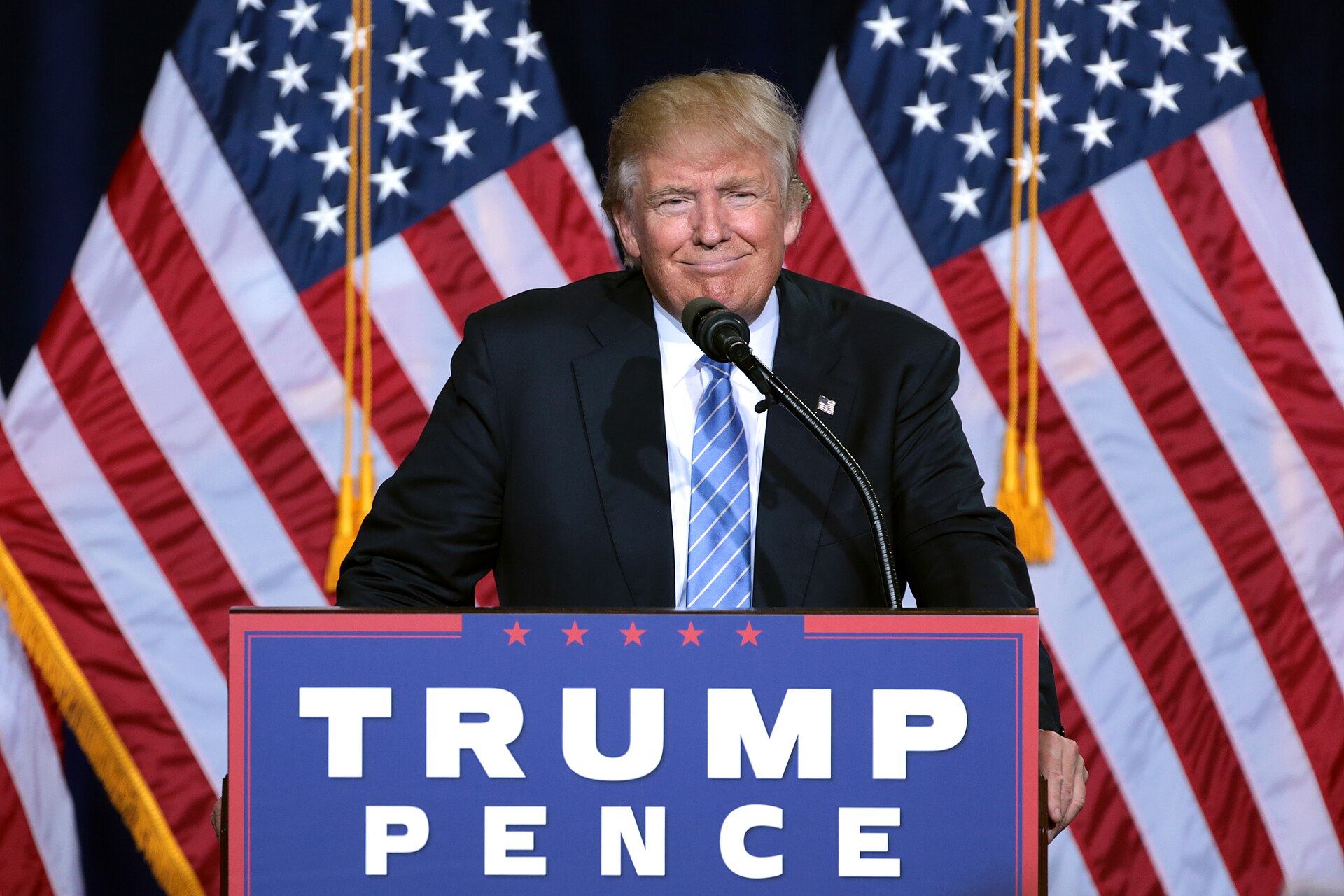
The Trump administration's unclear stance on artificial intelligence regulation is creating anxiety among EU policymakers and tech lobbyists concerned about transatlantic coordination.
The White House has sent contradictory signals about how rigorously it will vet powerful new AI models, leaving industry players uncertain about future enforcement direction.
This uncertainty matters for European regulators implementing the AI Act, the world's first comprehensive AI regulation framework. EU officials typically coordinate with US counterparts on technical standards and risk assessment methodologies.
The lack of organizational clarity in Washington hampers efforts to establish compatible regulatory approaches across the Atlantic. Technology companies operating in both markets face potential compliance challenges if standards diverge significantly.
EU officials are monitoring the situation closely as the Trump administration develops its artificial intelligence strategy over coming weeks.
Sources — how we know this
- PrimaryPOLITICO Europe