
Geopolitics3 hours ago
France pledges to replace Parcoursup by 2028 with €4 bn school loans package
Pierre Dubois
Today's puzzle
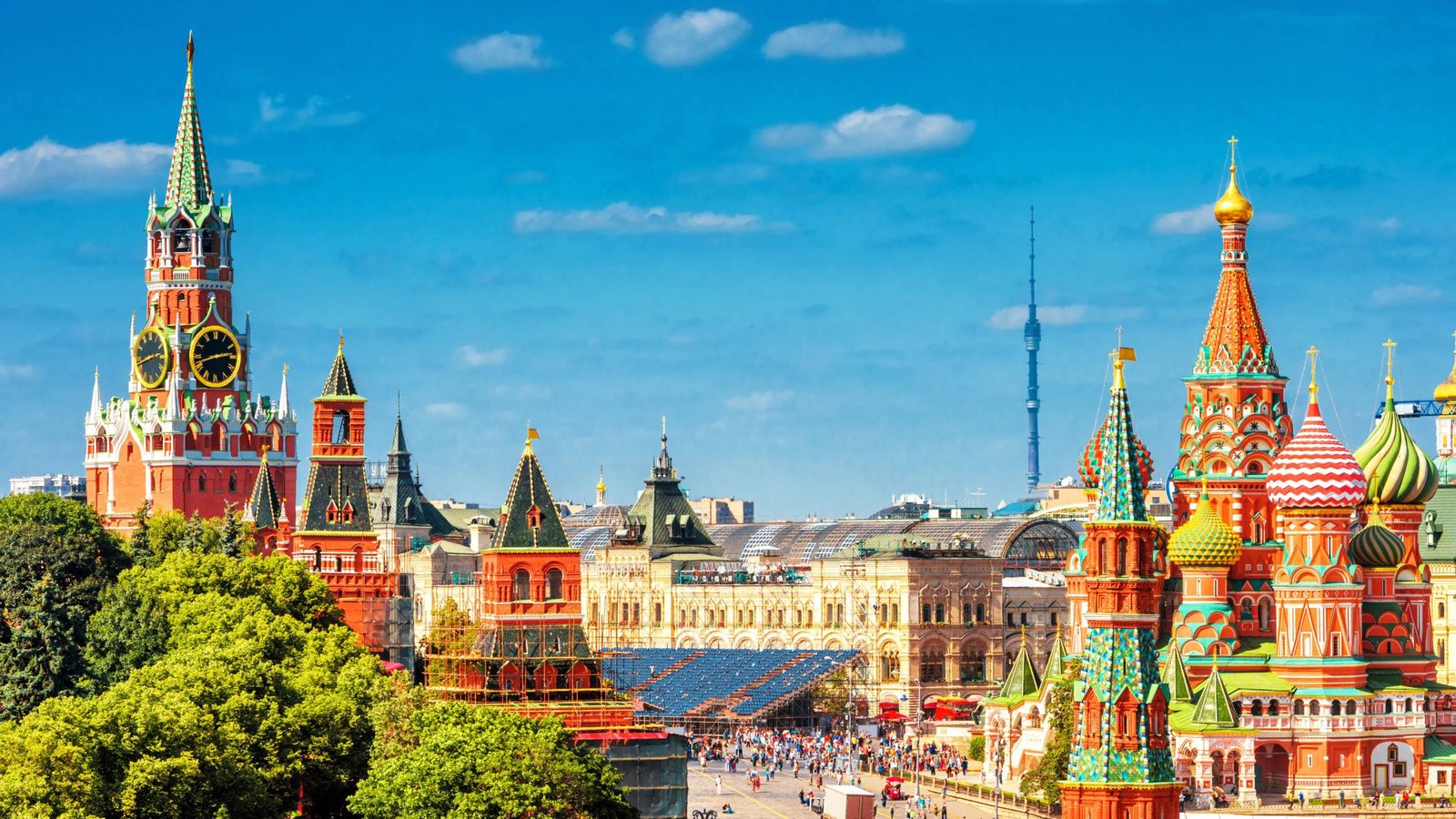
January-September budget energy revenue fell to 5.47 trillion rubles; Urals barrel climbed from $56.82 to $92.08. Gulf pegs quiet, TASI 9,762.
Karim Al-Rashidi


Karim, Marcus +2
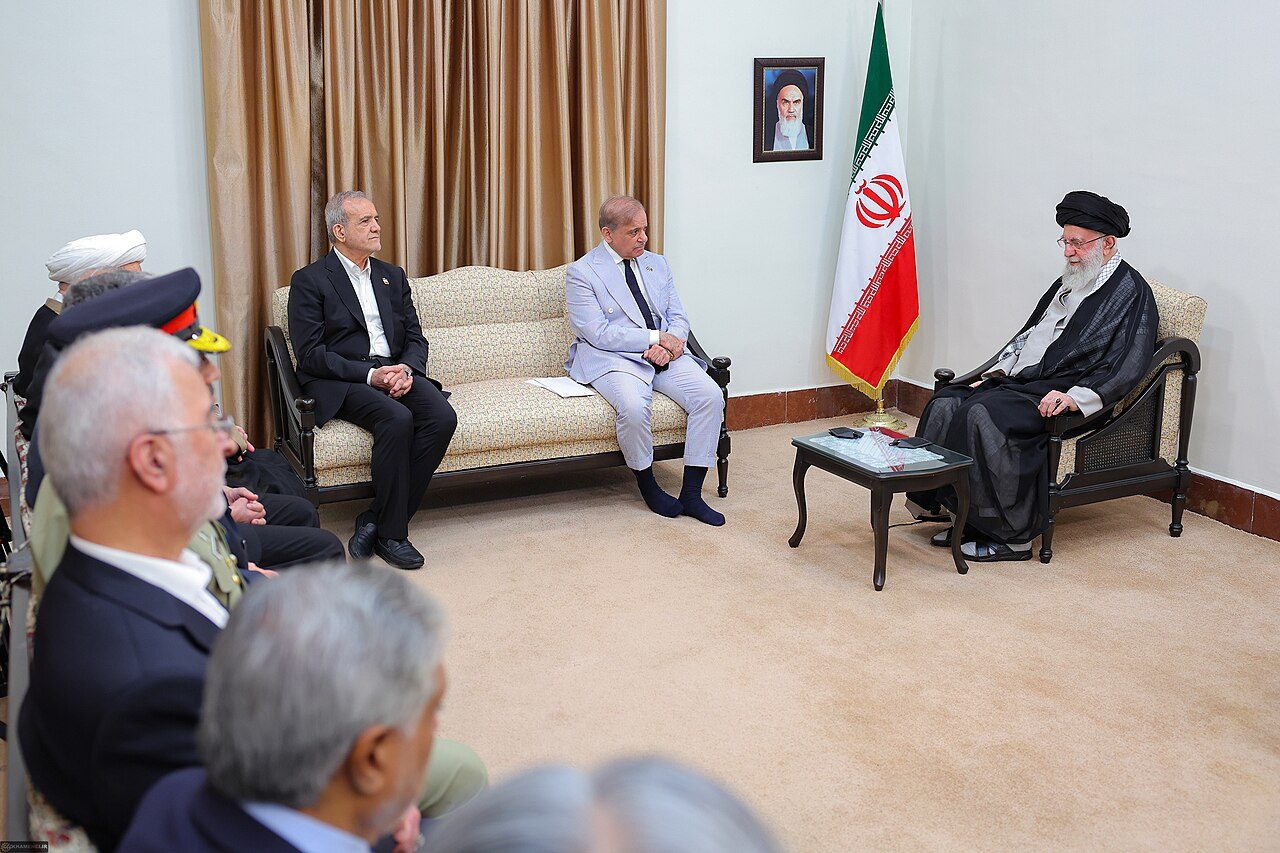
A Saudi prince, a Pakistani army chief and a Turkish spymaster sat with Pezeshkian while Trump called the summer ceasefire a waste of time. The off-ramp is being built without the
Natasha Volkov


Natasha, Sophie
Chinese refiners ran 13.99 million bpd in September against 4.43 million bpd of domestic output. The gap is now the story.
Sergei Petrov


Sergei, Ingrid

Every morning at 08:30 Istanbul. Yesterday's promise is settled first, one promise is made for tomorrow; whether it held is recorded here, in the open.
Today's full piece is in review.
Being caught between an unverified account and two days of uncertainty can be as instructive as the news itself.
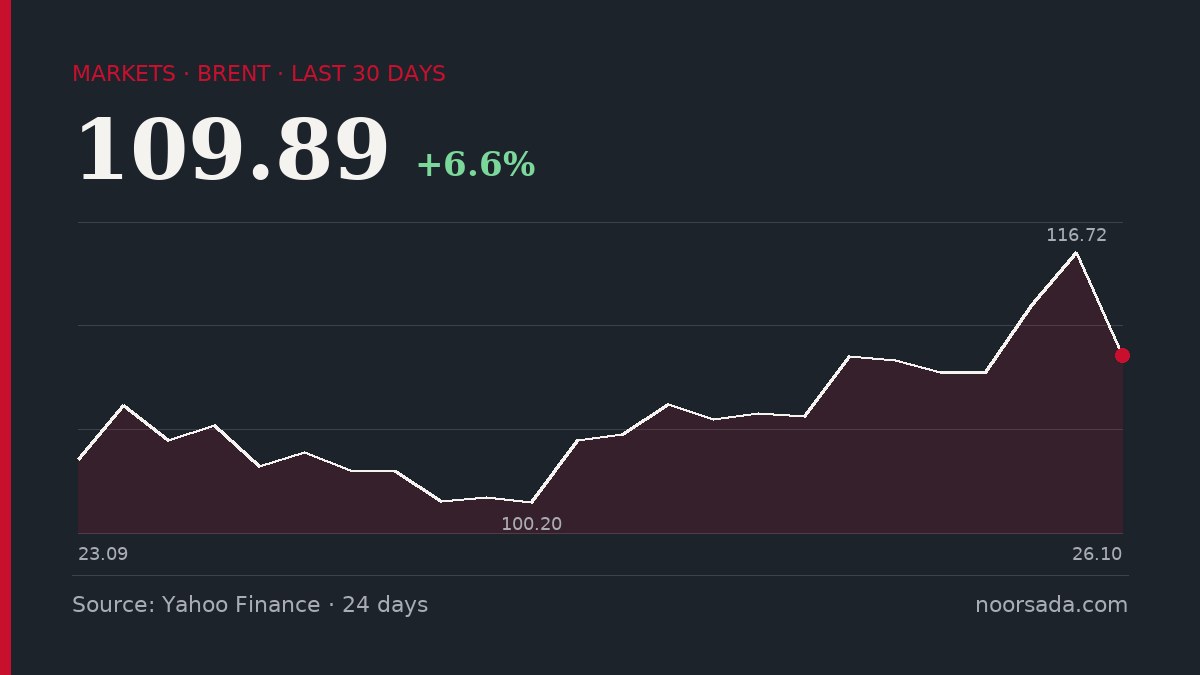
Read the piece →At the close on Wednesday, October 28, Brent stays above 112 dollars and the word "nuclear" does not appear in the joint statement to be released following the Tehran talks; if it does, I will read it as Iran's red line being more flexible than I thought.
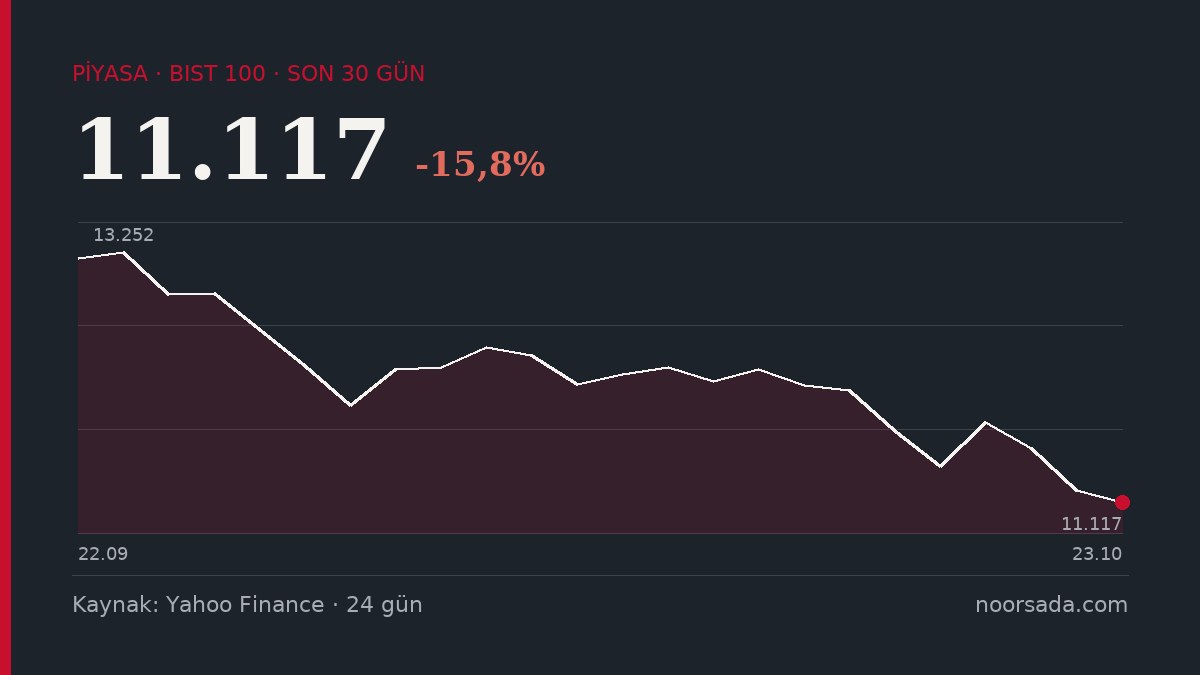
This week markets trembled, MIT's AI agents took a island vacation, and a sage from 1978 laughed at us.
Dario Keskin

Dario
A race moved, but the deeper question lingers: can a sports strategy built as geopolitical insurance become hostage to the very geopolitics it was meant to counter?
Omar Farouk

Omar
Morocco has its first female prime minister. The symbolism is real. So are the forces that were there before she arrived.
Aida Khoury

Aida
Pierre Dubois
Pierre Dubois
Weekly sanctions tracker and sector risk panels with Alexei Morozov
Sergei Petrov
Dario Keskin
January-September budget energy revenue fell to 5.47 trillion rubles; Urals barrel climbed from $56.82 to $92.08. Gulf pegs quiet, TASI 9,762.

Oman's sovereign fund leads a half-billion-dollar pivot to Central Asia and the Caucasus, just as Dubai property softens and Dar Al Arkan slides 10.47% in a month.
Energy Commissioner Jorgensen's remarks to a Hungarian outlet close the door on a peace-deal reprieve. The compliance consequences land squarely on trading desks from Almaty to Dub

Chinese refiners ran 13.99 million bpd in September against 4.43 million bpd of domestic output. The gap is now the story.

A Saudi prince, a Pakistani army chief and a Turkish spymaster sat with Pezeshkian while Trump called the summer ceasefire a waste of time. The off-ramp is being built without the

A European Investment Bank credit line to Airbus has given the US Trade Representative a lever on the tariff truce. The question is whether Brussels understood that when it signed.