Developing✓ 1 sourcesEditorialDeveloping
This story is currently available in Englisch only — a translation isn't ready yet.
Ukraine, Russia observe fragile ceasefire as Putin presides over military parade
Temporary cessation of hostilities takes effect as Russian president showcases military strength in Red Square amid ongoing war.
Tempo:
ℹ️ Browser-Stimme · KI-Studiostimme bald verfügbar
PD
Pierre Dubois
· 2 min read
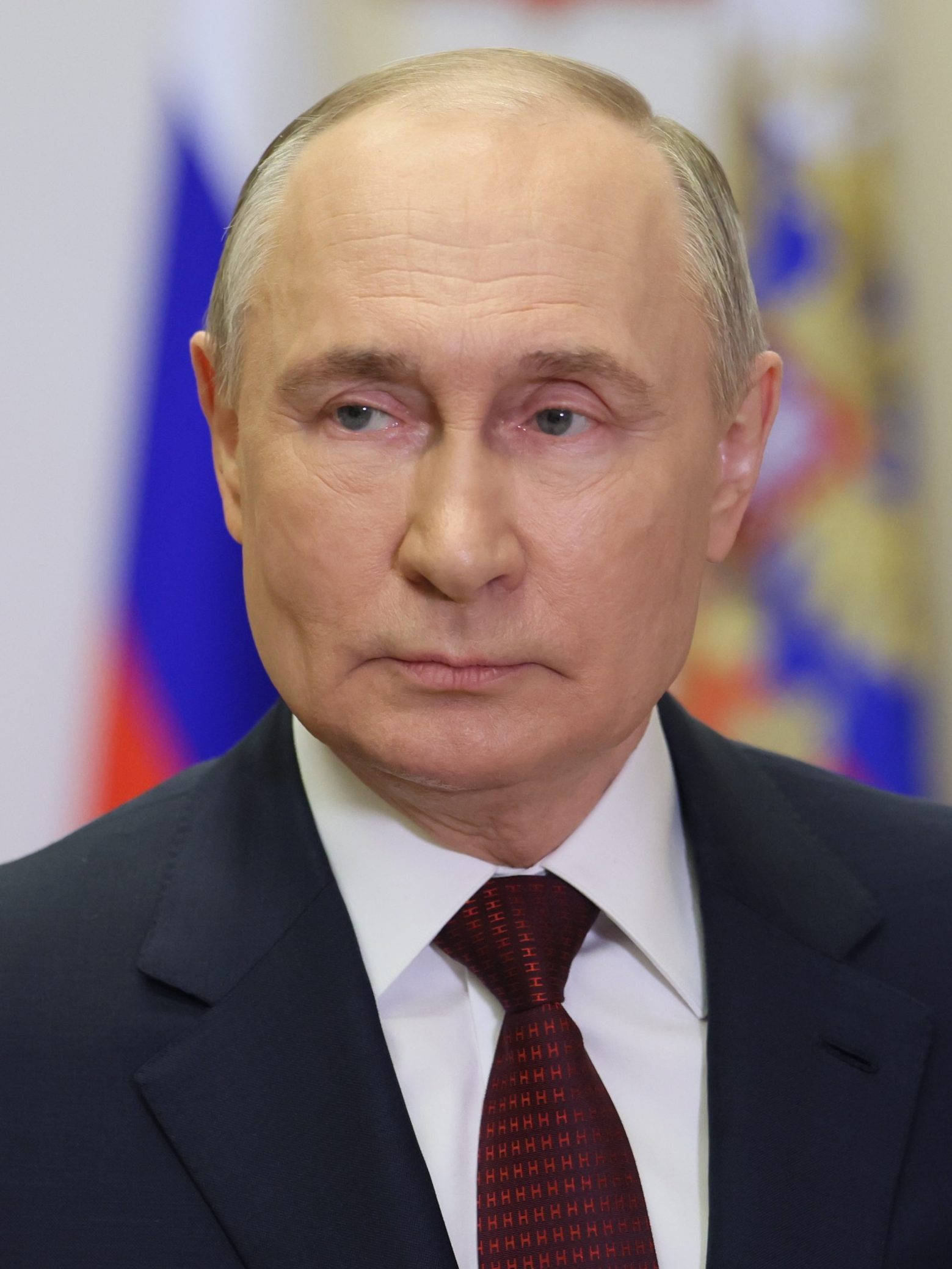
A temporary ceasefire between Russia and Ukraine has come into effect, according to France 24, as President Vladimir Putin oversaw a military parade in Moscow's Red Square.
The cessation marks a rare pause in active combat operations since Russia's 2022 invasion. However, the parade itself notably lacked the usual display of military hardware and advanced technology typically featured in such demonstrations, suggesting potential constraints on Russian military capabilities.
The timing of the ceasefire coincides with commemoration periods in both nations. Ukrainian residents are marking the end of World War II while reflecting on the ongoing toll of the current conflict.
The fragility of the arrangement underscores the precarious state of negotiations between the two nations. International observers are closely monitoring whether the temporary pause could lead to broader diplomatic progress or merely represents a tactical military pause. EU nations have intensified diplomatic engagement in seeking sustainable resolution pathways.
Sources — how we know this
- PrimaryFrance 24 (EN)