Developing✓ 1 sourcesEditorialDeveloping
Middle East Conflict Triggers Global Sulfuric Acid Shortage
Strait of Hormuz blockade cuts sulfur supplies from Persian Gulf refineries and gas processing complexes
Speed:
ℹ️ Browser-based reading · AI studio voice coming soon
AK
Anna Kuznetsova
· 2 min read
Escalating Middle East conflict has triggered an acute shortage of sulfuric acid in global markets, reports the Wall Street Journal.
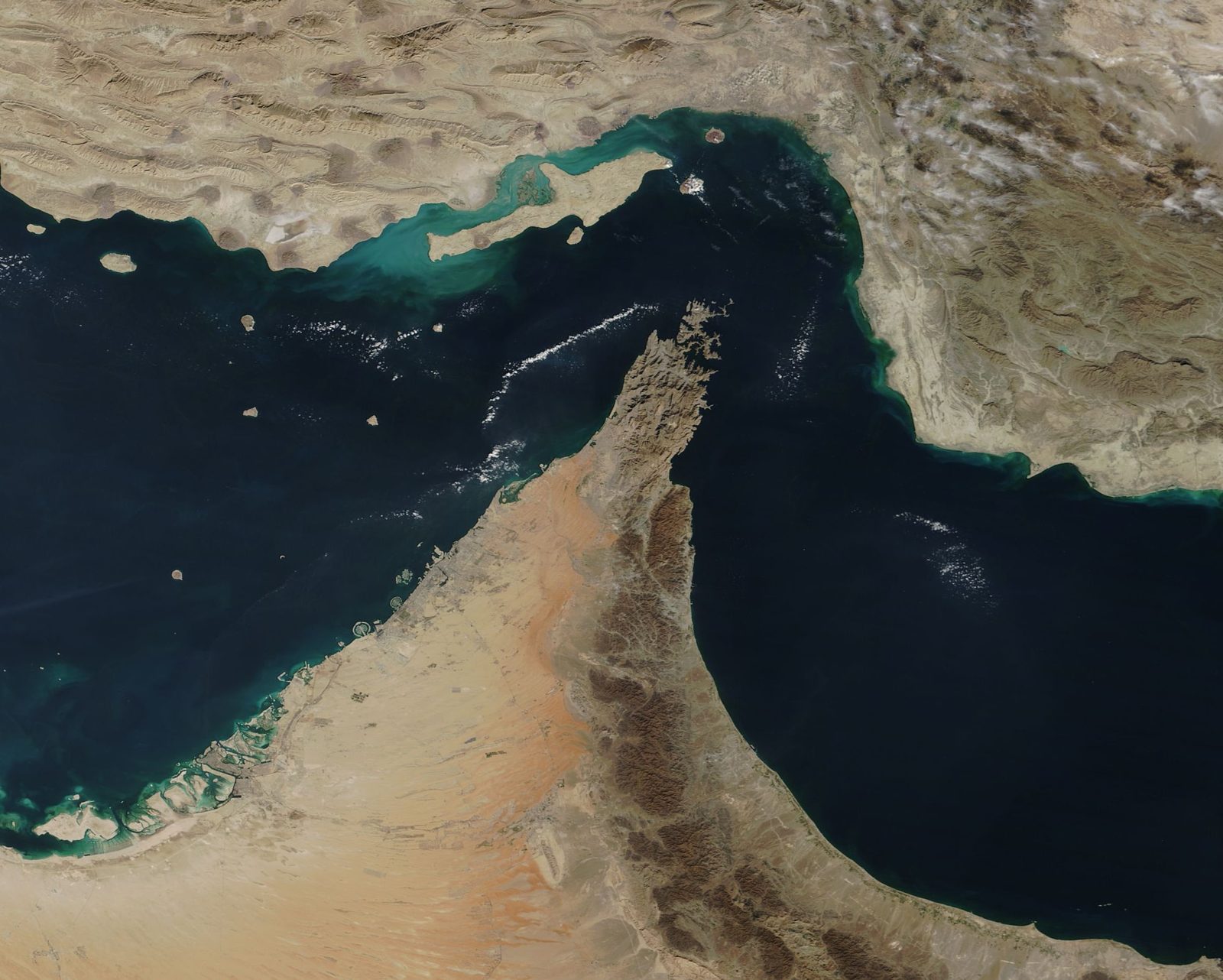
A significant portion of global sulfur supplies originates from oil refineries and gas processing complexes in the Persian Gulf. A blockade of trade through the Strait of Hormuz—one of the world's critical maritime routes—has disrupted the supply chain for this key chemical feedstock.
Sulfuric acid is used in fertilizer production, metallurgy, and the chemical and oil and gas industries. Its shortage could trigger price increases for agricultural products and industrial goods regionally and globally.
The situation underscores the vulnerability of international supply chains to geopolitical shocks.
Sources — how we know this
- PrimaryTASS English