US and Iran in Deadlock as Tanker Tensions Mount in the Strait of Hormuz
A Qatari-owned tanker heads toward the Strait of Hormuz as the standoff between Washington and Tehran shows no sign of breaking.
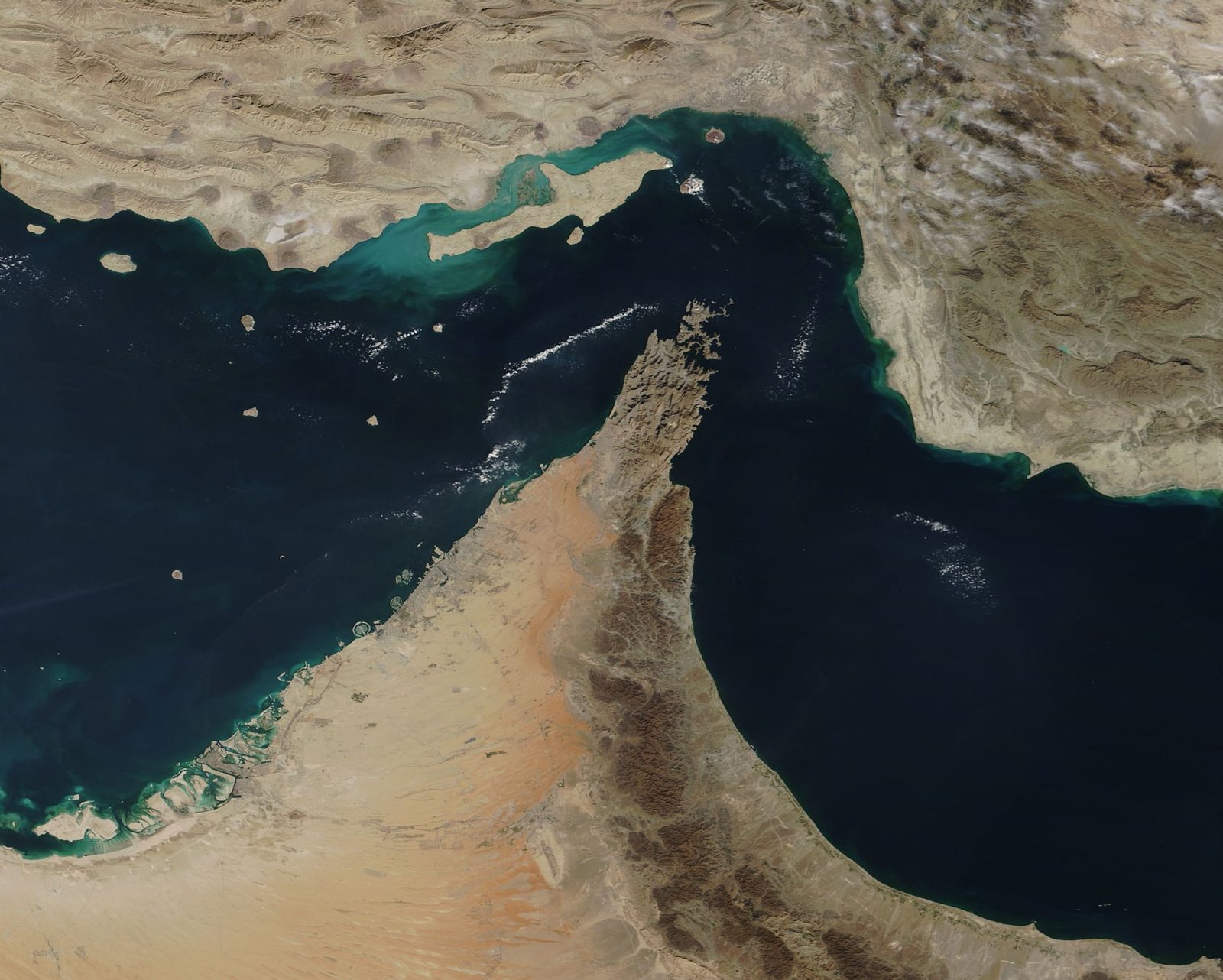
Efforts to break the deadlock between the US and Iran over the threat of war are yielding no results. Meanwhile, a Qatari-owned tanker is transiting toward the Strait of Hormuz. The strait's strategic importance and the tense atmosphere continue to weigh on international commercial activity.
The Strait of Hormuz is a critical chokepoint for global oil trade. While tanker movement suggests commercial operations in the region are pressing on, US-Iran tensions are making maritime shipping increasingly risky. The hardline posture of both sides is complicating any path to a diplomatic compromise. Energy prices and global trade flows could yet pay the price.
Sources — how we know this
- PrimaryGoogle News — Qatar