Developing✓ 1 sourcesEditorialDeveloping
Anti-war activists stage counter-protests across Eastern Europe during Putin's Victory Day
Demonstrators in neighbouring countries mark Putin's reduced military parade with poignant protests against Russia's invasion of Ukraine.
Speed:
PD
Pierre Dubois
· 2 min read
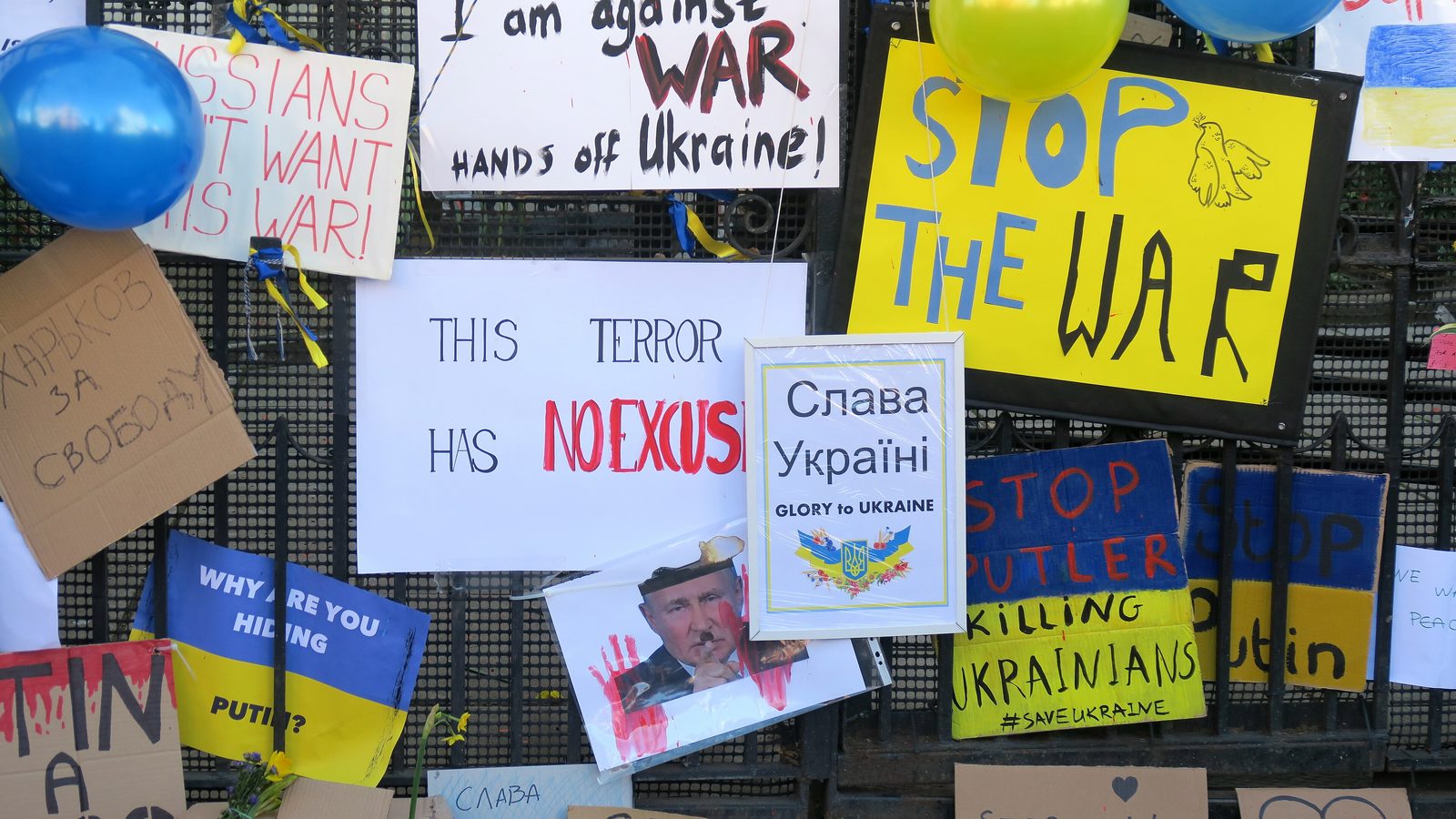
Anti-war activists staged counter-protests in neighbouring countries as Vladimir Putin presided over a diminished Victory Day parade in Moscow. In Narva, Estonia, demonstrators displayed a massive poster with Putin's image, marking a pointed response to Russia's annual celebration of World War II victory.
The coordinated protests across Eastern Europe signal sustained public opposition to Russia's military aggression in Ukraine. Victory Day, observed on May 9, traditionally features military displays in Moscow; this year's parade was notably reduced in scale, reflecting military constraints.
Estonia, sharing a border with Russia, has emerged as a focal point for anti-war demonstrations. The protests underscore growing activism among NATO and EU member states neighbouring Russia, who view the conflict as an existential security threat. Activist groups used the occasion to amplify messages of resistance and solidarity with Ukraine.
Sources — how we know this
- PrimaryKyiv Post