Developing✓ 1 sourcesEditorialDeveloping
Economic hardship: Second-hand shopping surged 34 percent
Consumers turned to cheaper and used products amid budget constraints.
Speed:
ℹ️ Browser-based reading · AI studio voice coming soon
MY
Mehmet Yılmaz
· 2 min read
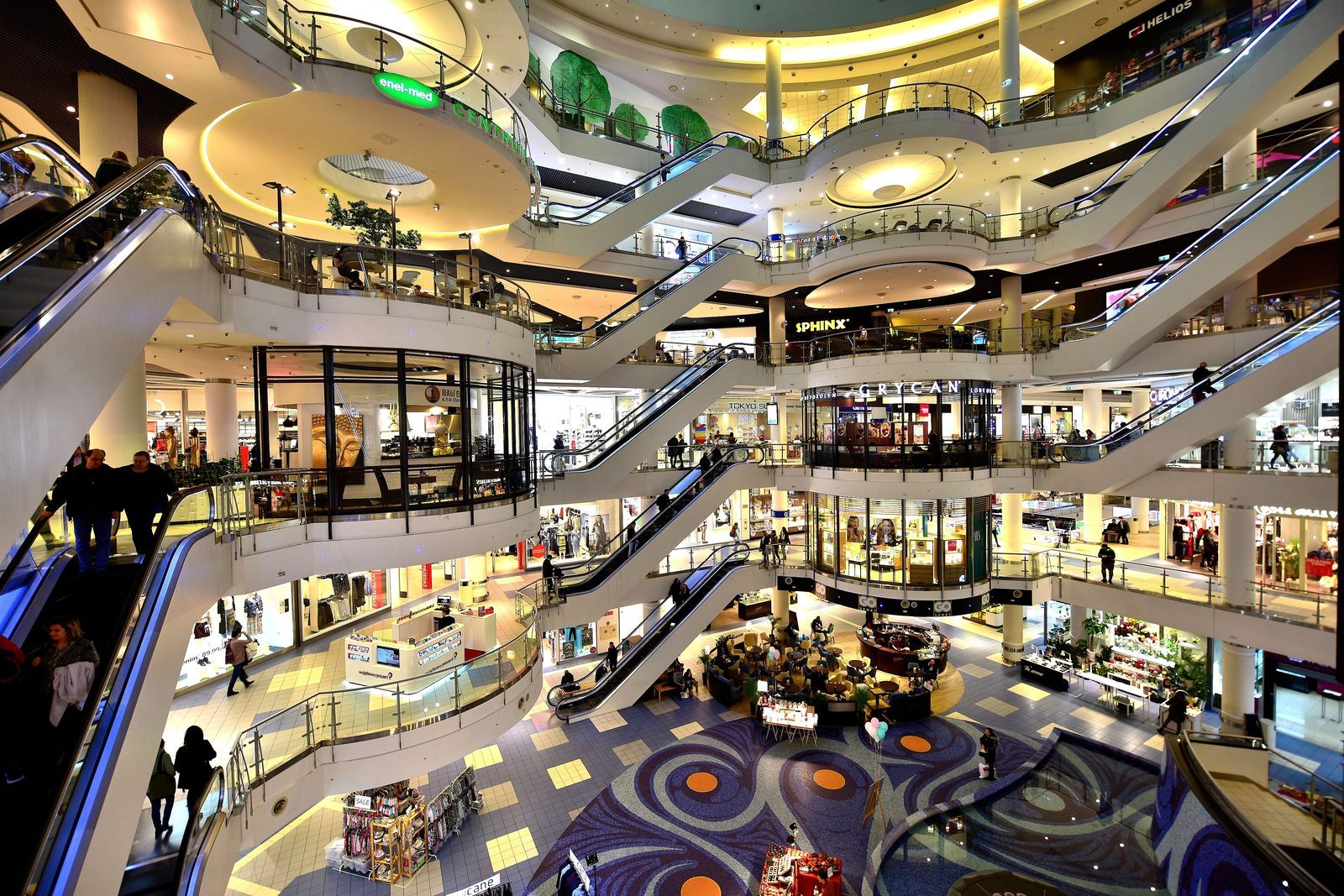
Second-hand shopping has shown a 34 percent increase in recent times. At the same time, demand for cheap food products has surged. Data reveals that household purchasing power has weakened. Consumers have begun meeting their basic needs within budget constraints. In the economic downturn, households are making price-sensitive choices in spending preferences. The commercial and retail sector is closely monitoring this trend.
Sources — how we know this
- PrimarySözcü Gazetesi