BREAKINGDeveloping✓ 1 sourcesEditorialDeveloping
Erdoğan opens transfer season with 'Turkey Consensus' call to opposition
At the AKP's 25th anniversary ceremony, Erdoğan personally pinned badges on defectors from opposition parties, with his 'Turkey Consensus' call signaling the party's political direction for the coming period.
Speed:
MY
Mehmet Yılmaz
· 2 min read
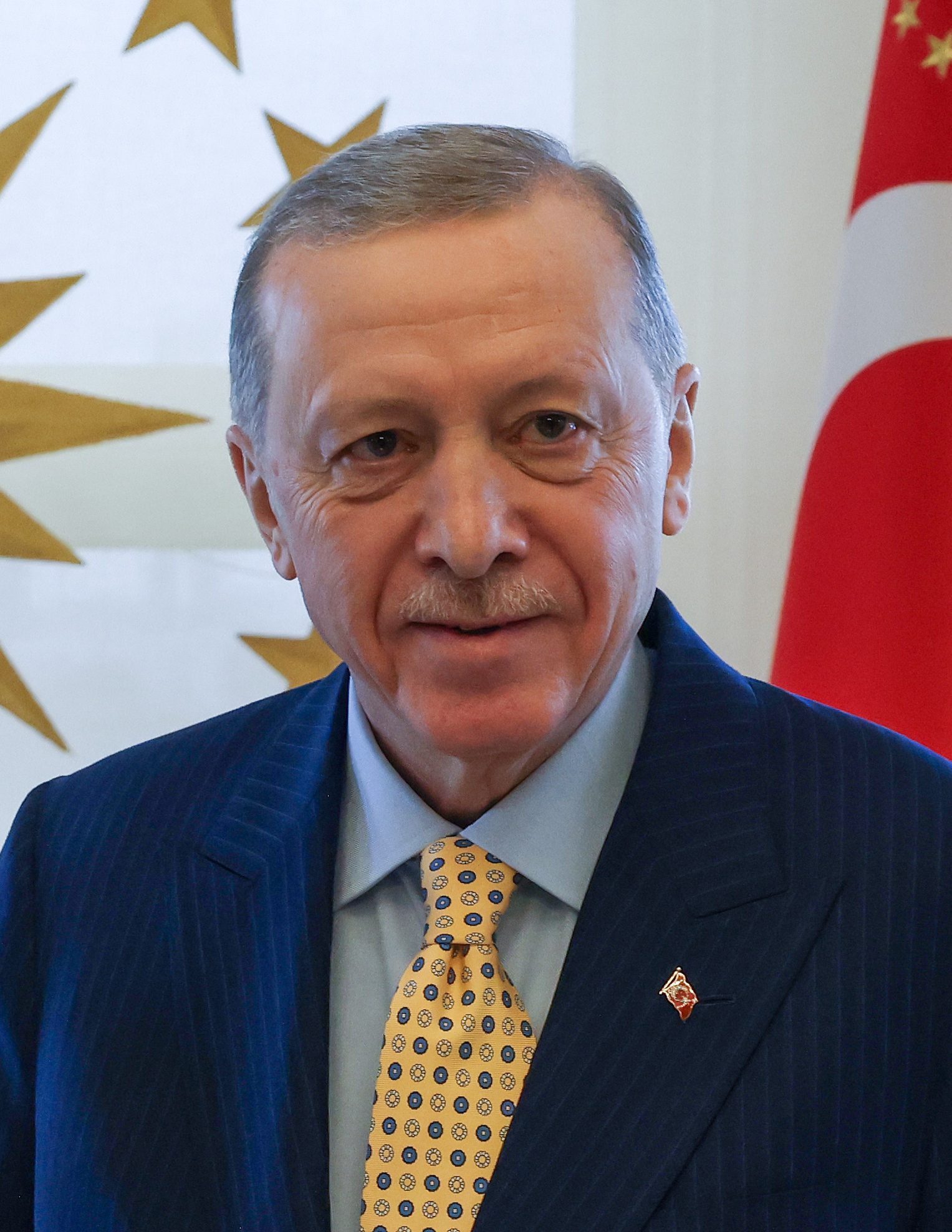
President Recep Tayyip Erdoğan pinned badges directly on former opposition lawmakers and mayors at the AKP's 25th anniversary event; his 'Turkey Consensus' call at the ceremony is being read within the party as the first signal of the political line for the period ahead.
According to information obtained by Cumhuriyet from AKP sources, the party leadership is preparing to continue contacts with lawmakers and political figures from different parties following the start of the new legislative year in parliament. Party officials do not view these steps merely as a move to increase the number of seats in parliament; they assess it as sending two simultaneous messages to the public: 'The AKP is growing, the opposition is shrinking.'
According to party officials, the 'Turkey Consensus' rhetoric is not limited solely to the PKK disarmament process; it defines a broader line aimed at reaching different political and social segments. Within this framework, the transfers are being interpreted as sending a message to both center-right and nationalist voter bases.
Since its first period in power in 2002, the AKP has periodically shifted parliamentary arithmetic in its favor through the transfer method from other parties; however, an institutionalized transfer strategy under the name of 'consensus' is being articulated this openly on the party platform for the first time at this scale.
Sources — how we know this
- PrimaryCumhuriyet Gazetesi