Developing✓ 1 sourcesEditorialDeveloping
EU divided over 'Made in Europe' medicines target amid drug security push
Parliament backs 50% local content rule for critical drugs, but member states balk at ambitious manufacturing requirements.
Speed:
ℹ️ Browser-based reading · AI studio voice coming soon
PD
Pierre Dubois
· 2 min read
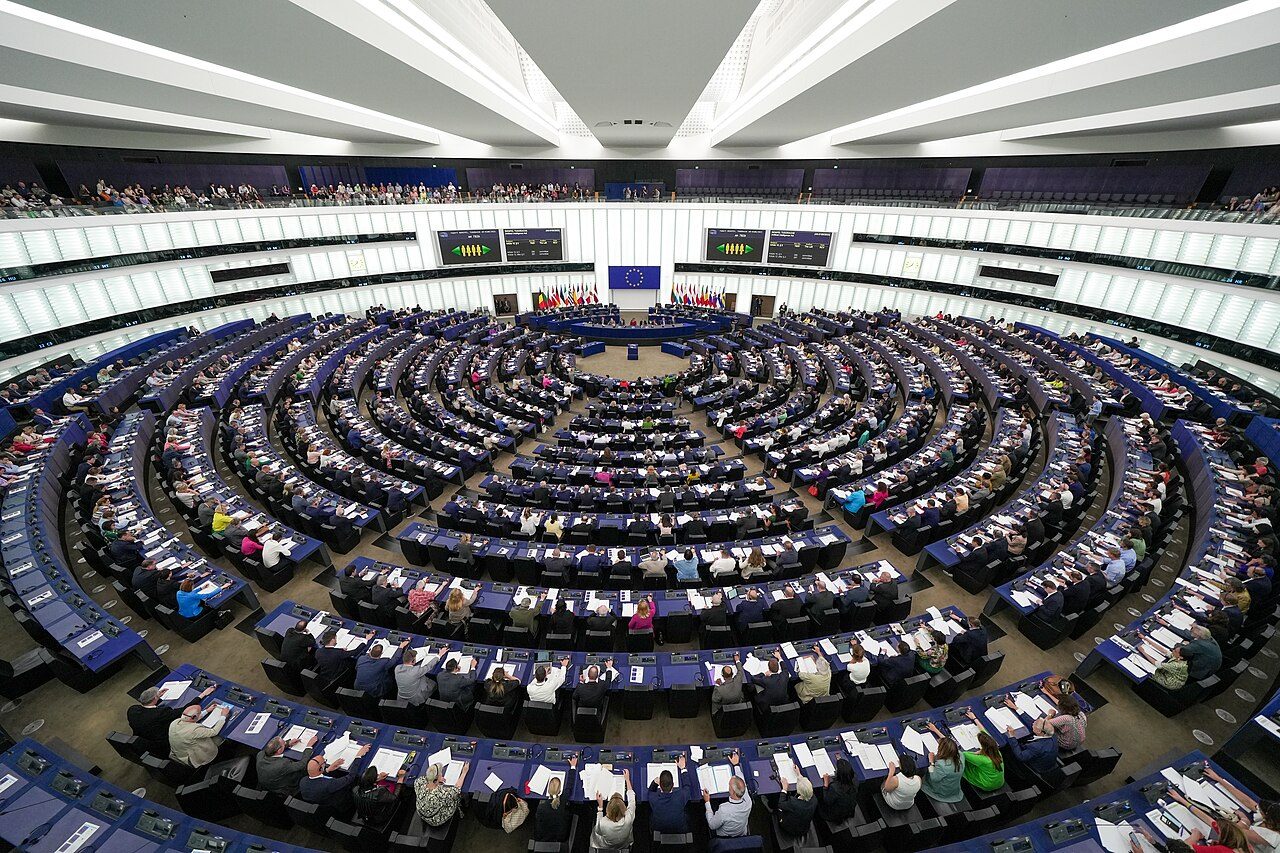
The European Union is struggling to align on new pharmaceutical manufacturing rules as it seeks to strengthen drug supply security and reduce dependence on imports.
The European Parliament has advocated for requiring at least 50% of key ingredients or production value to originate within the EU for critical medicines. However, member states have resisted the scope and stringency of the proposal.
The divergence reflects competing economic interests: some capitals worry strict local-content mandates will increase drug costs and production timelines, while others prioritize supply chain resilience following pandemic shortages. The debate comes as the EU develops a strategy to boost its pharmaceutical manufacturing capacity and reduce vulnerability to external supply disruptions.
Sources — how we know this
- PrimaryEurActiv