EU faces new test in Belarus as Lukashenka signals pragmatic dialogue
Minsk's overtures raise questions about whether engagement masks deeper Kremlin strategy, analysts say.
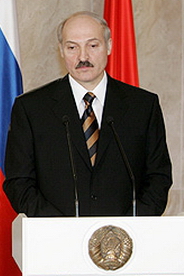
Belarus leader Alexander Lukashenka has signaled openness to pragmatic dialogue with Western states, according to reports, raising questions among analysts about whether the move reflects a genuine policy shift or serves as cover for deeper Russian strategic interests. The timing coincides with ongoing tensions over Belarus's role as a staging ground for Russian military operations against Ukraine. EU officials have cautiously monitored Minsk's moves while maintaining sanctions and security concerns. Lukashenka's regime remains economically dependent on Russia, complicating any independent diplomatic initiatives. Brussels's calculation will determine how to engage without legitimizing actions tied to Russian aggression.
Sources — how we know this
- PrimaryGoogle News — Belarus