Developing✓ 1 sourcesEditorialDeveloping
EU Signals Strategic Shift on Bosnia's International Oversight
Christian Schmidt's departure as high representative suggests major powers want to recalibrate international role in Bosnia and Herzegovina.
Speed:
ℹ️ Browser-based reading · AI studio voice coming soon
PD
Pierre Dubois
· 2 min read
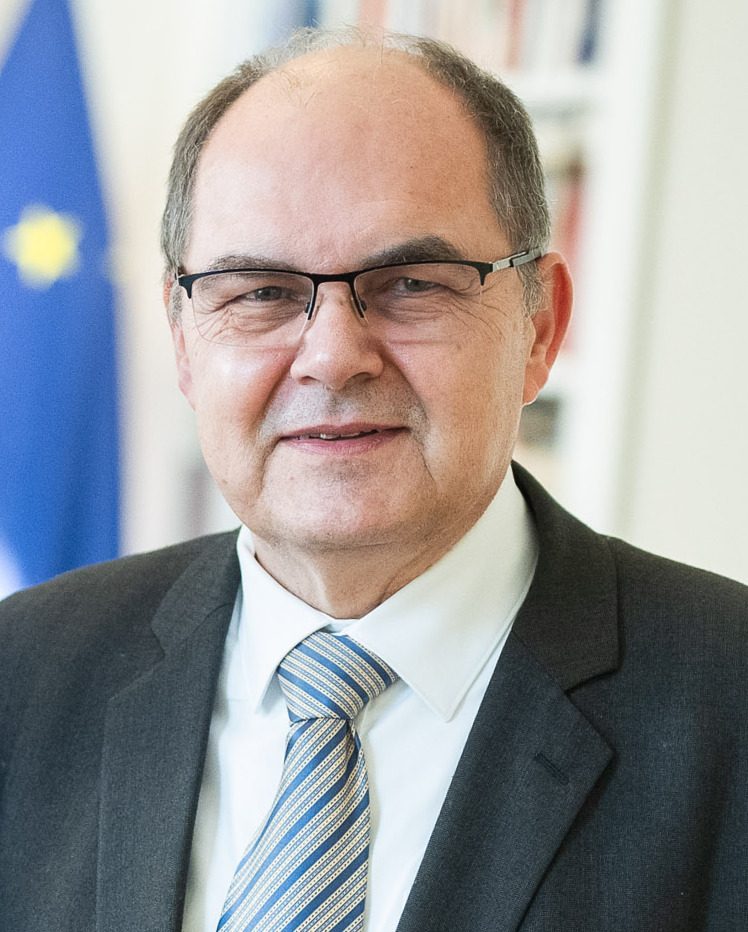
The departure of Christian Schmidt as high representative in Bosnia and Herzegovina indicates a significant recalibration of international engagement in the Balkans, according to analysis from Deutsche Welle.
Schmidt's exit does not appear to be a routine diplomatic transition, suggesting instead that major powers are considering a new approach to the international oversight mechanisms that have governed Bosnia since the 1995 war.
The shift could have implications for EU strategy in the region and the future structure of international involvement in Bosnian governance and reconciliation efforts.
Sources — how we know this
- PrimaryDeutsche Welle (EN)