BREAKINGDeveloping✓ 1 sourcesEditorialDeveloping
Fed Chair Warsh Does Not Rule Out September Rate Hike If Inflation Rises; 30-Year Bond Reaches 2007 Peak
Warsh's cautious message accelerated U.S. Treasury sales; 30-year bond yields rose to their highest level since 2007.
Speed:
MY
Mehmet Yılmaz
· 2 min read
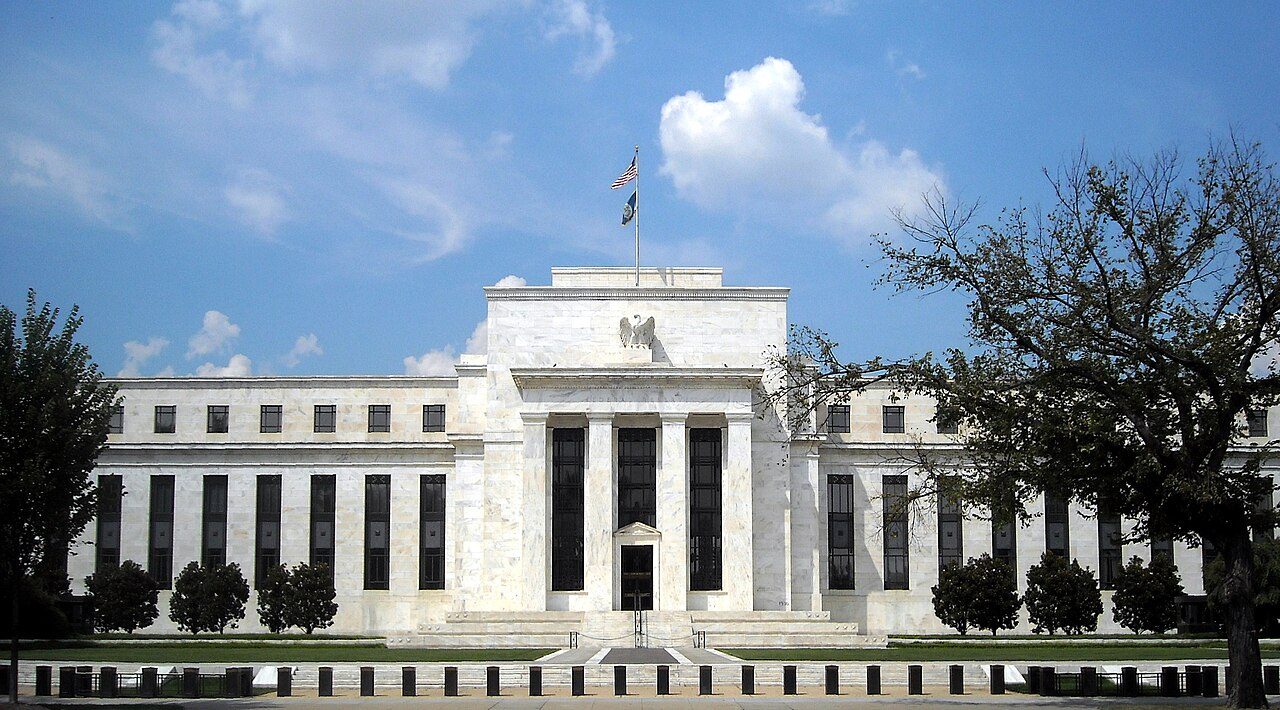
U.S. Federal Reserve Chair Kevin Warsh signaled that the Fed could raise interest rates at its September meeting if upcoming inflation data comes in above expectations. Warsh's cautious remarks on monetary policy triggered a sharp selloff in the U.S. Treasury bond market; 30-year bond yields climbed to their highest levels seen since 2007.
At last week's meeting, the Fed held its policy rate steady in the range of 3.50-3.75 percent. Warsh's avoidance of clearer guidance created uncertainty among market participants about the central bank's commitment to price stability. Investors are closely watching upcoming inflation data and the upcoming Jackson Hole symposium to assess the Fed's next steps.
This uncertainty, felt globally, continues to maintain pressure on emerging markets. If Fed rates remain elevated, the dollar is expected to continue gaining strength; this situation will persist as a risk factor for economies sensitive to exchange rates.
Sources — how we know this
- PrimaryCumhuriyet Gazetesi