EditorialDeveloping✓ 1 source
South Korea Opposes Iran's Strait of Hormuz Transit Fee Demand
Seoul government characterized Iran's plan to collect fees from ships passing through the strait as a violation of international law.
Speed:
MY
Mehmet Yılmaz
· 2 min read
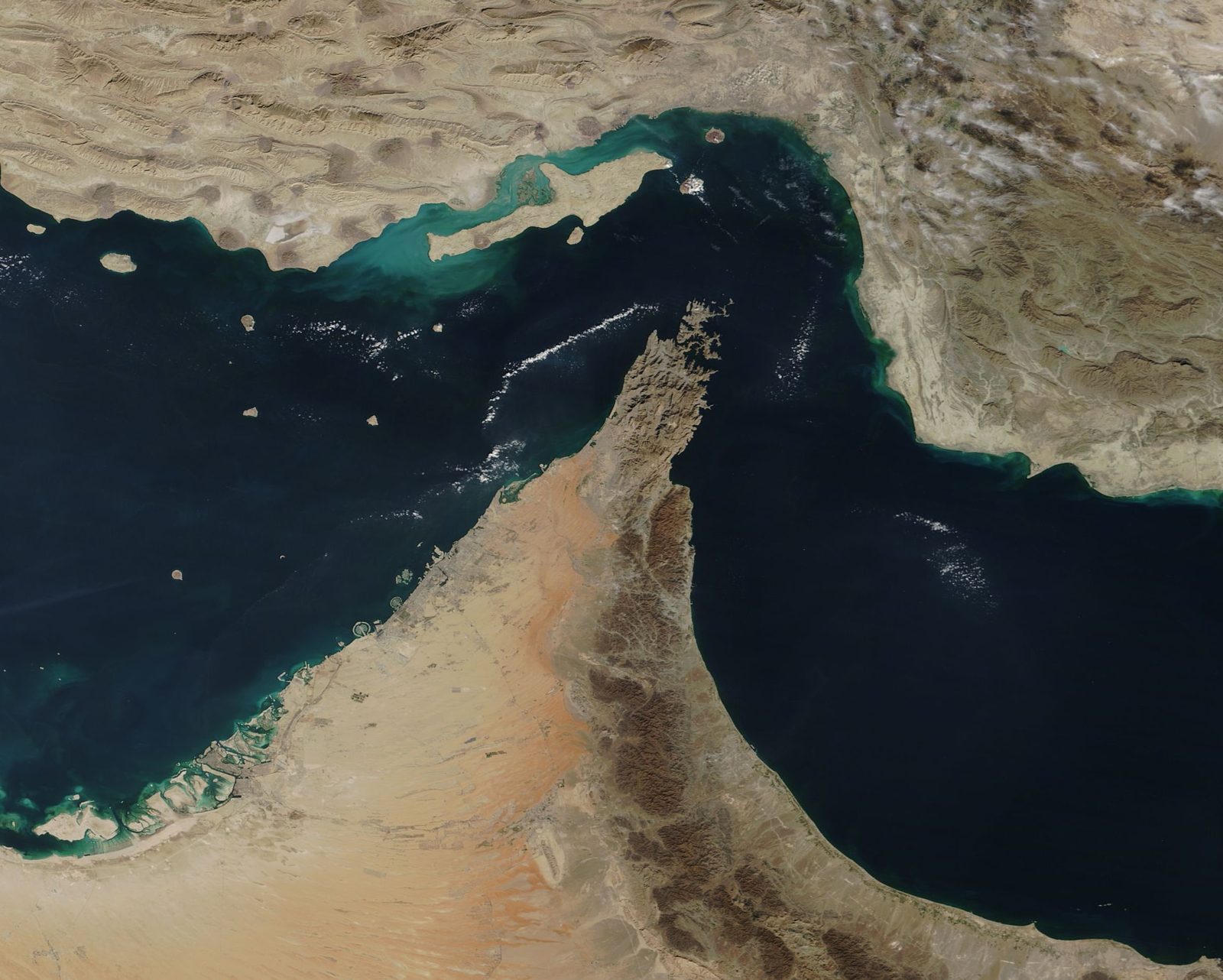
The South Korean government formally opposed Iran's plan to demand transit fees from ships passing through the Strait of Hormuz. Seoul stated that it finds this measure unacceptable under the framework of international law.
The Strait of Hormuz is one of the most critical global energy trade routes, carrying millions of barrels of oil daily. For energy-importing countries such as South Korea, such a move would directly affect energy costs and supply security.
Sources — how we know this
- PrimaryAnadolu Ajansı (TR)
#Energy○ ...