Developing✓ 1 sourcesEditorialDeveloping
Germany braces for economic slowdown from Iran tensions
Federal government warns of significant economic drag as Iran-related geopolitical risks compound weakness in manufacturing sector.
Speed:
ℹ️ Browser-based reading · AI studio voice coming soon
PD
Pierre Dubois
· 2 min read
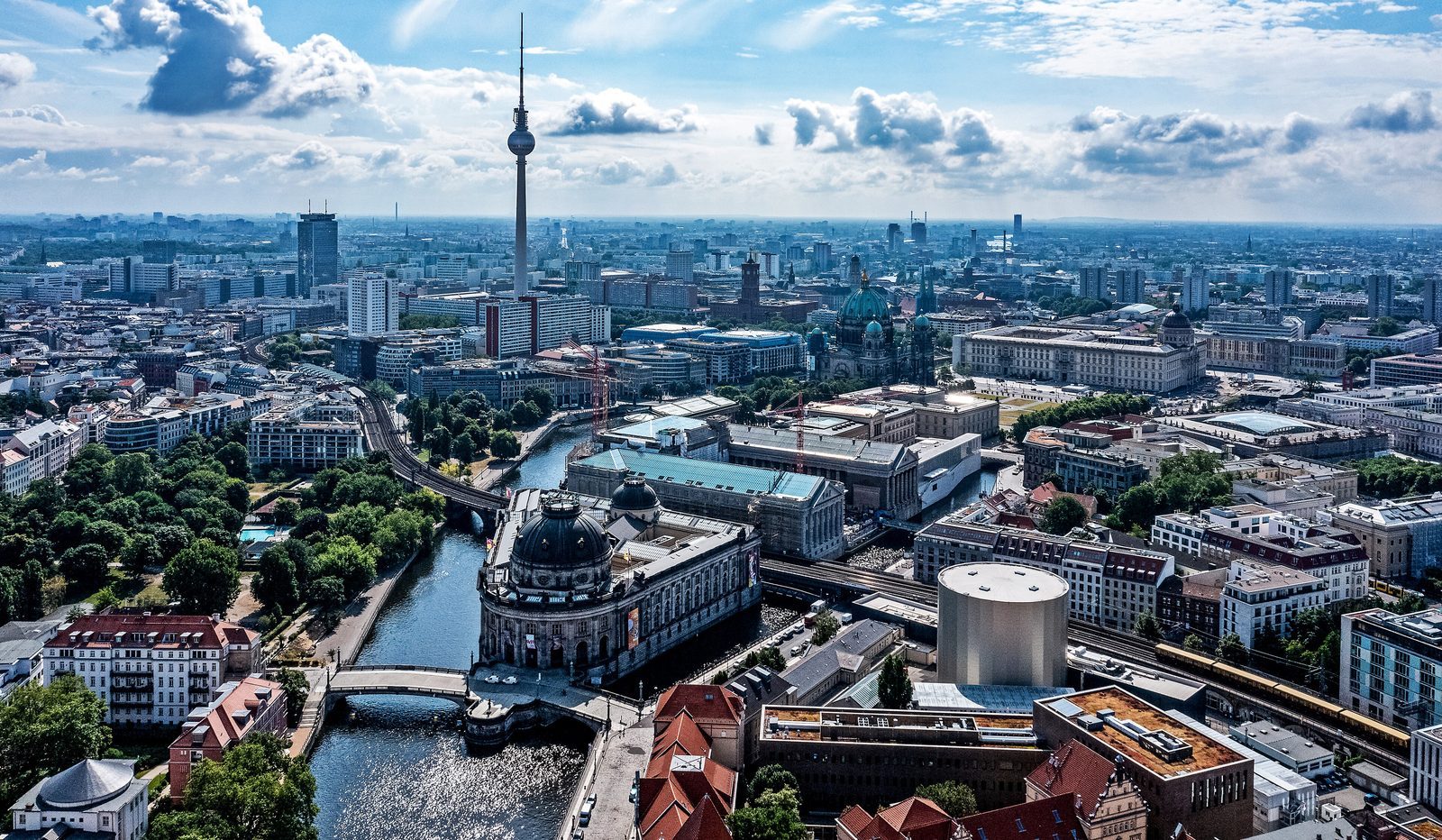
Germany's federal government expects a significant slowdown in economic growth due to escalating tensions stemming from the Iran conflict, according to a report by public broadcaster Tagesschau.
The warning marks a sharp reversal from the mood at the start of 2026, when Europe's largest economy posted surprisingly robust performance, defying earlier pessimistic forecasts and offering cautious optimism to policymakers in Berlin.
That momentum now appears to be fading. The federal government projects mounting pressure on Germany's export-dependent industries as geopolitical instability in the Middle East disrupts global supply chains, raises energy market uncertainty, and erodes business confidence across key sectors, particularly manufacturing — long the backbone of the German economy.
The development adds to a difficult environment for the government, which has been navigating sluggish domestic demand and structural challenges in the automotive and industrial sectors. Officials have not yet detailed specific relief measures, but the revised growth outlook signals that economic headwinds are becoming increasingly difficult to ignore.
Sources — how we know this
- PrimaryTagesschau