Lebanon peace talks with Israel open amid deep domestic divisions
US-mediated negotiations begin in Washington as Lebanese society remains sharply split on possibility of Israeli normalization.
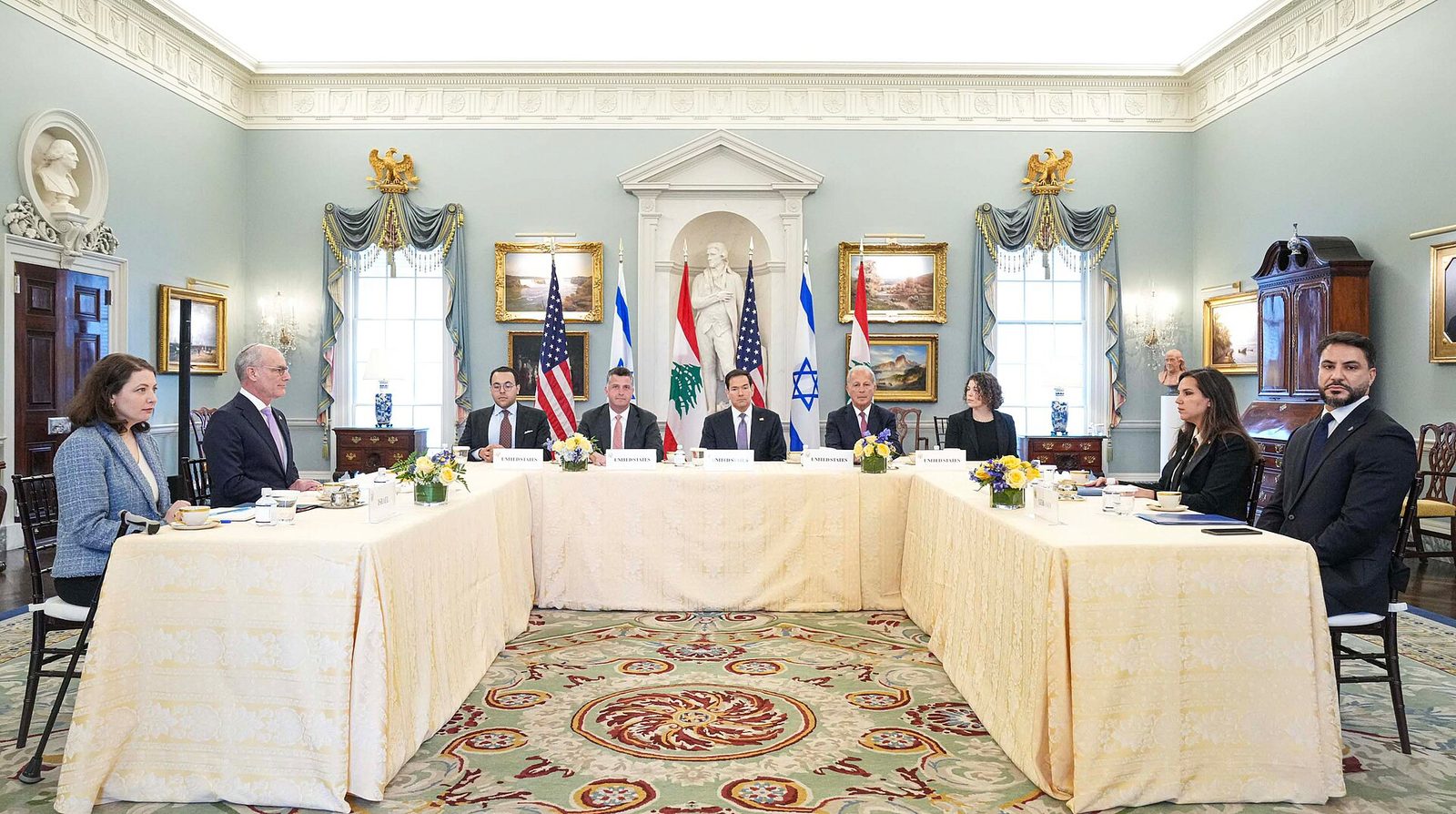
Unprecedented negotiations between Lebanon and Israel opened Thursday in Washington under US mediation, but significant domestic opposition threatens their viability. Deep ideological divides within Lebanese society reflect competing visions of national interest and regional alignment.
The talks occur amid fragile Lebanese state institutions and dominant Hezbollah influence, which opposes any Israeli normalization. Lebanese civil society remains fractured between those viewing negotiations as potential economic relief and those seeing them as capitulation. Regional implications extend across the Middle East, where Israeli peace agreements with Arab states continue reshaping alliances. Success requires balancing security concerns, territorial disputes, and refugee issues unresolved for decades.
Sources — how we know this
- PrimaryFrance 24 (EN)