Russia's Lavrov signals support for US-Iran nuclear dialogue with UAE counterpart
Moscow seeks backing from regional power for resumption of international negotiations on Iran's nuclear programme.
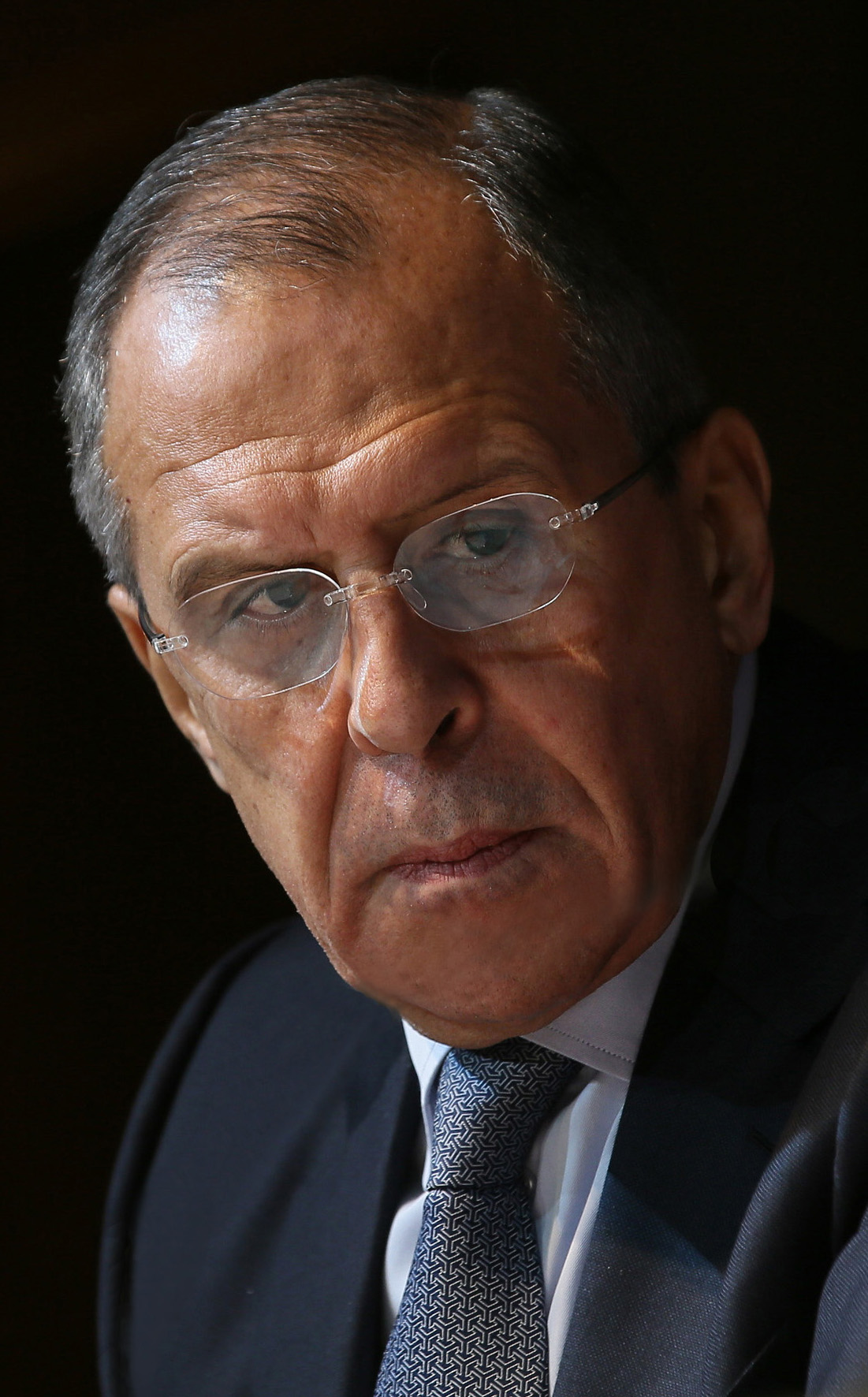
Russian Foreign Minister Sergey Lavrov told his United Arab Emirates counterpart that it is necessary to support ongoing US-Iran talks, according to U.S. News & World Report. The diplomatic outreach reflects Moscow's engagement in Middle Eastern nuclear diplomacy despite international sanctions over its Ukraine invasion. Lavrov emphasized the importance of backing negotiations aimed at resolving tensions over Iran's nuclear programme, a matter traditionally managed through multilateral frameworks involving European signatories. The UAE, a strategic regional actor with historical ties to both Western and Iranian interests, represents a potential mediator in dormant nuclear negotiations. Russia's intervention in this dialogue underscores Moscow's continued diplomatic positioning in the Middle East and its interest in constraining US unilateral action on Iran policy. The timing suggests Russia seeks to leverage regional partnerships to influence international negotiations on non-proliferation matters.
Sources — how we know this
- PrimaryGoogle News — UAE