EnergyDeveloping✓ 1 source
Strait of Hormuz blockade enters third month as Trump shifts focus to China
Middle East conflict takes back seat as US president pursues economic confrontation with Beijing.
Speed:
PD
Pierre Dubois
· 2 min read
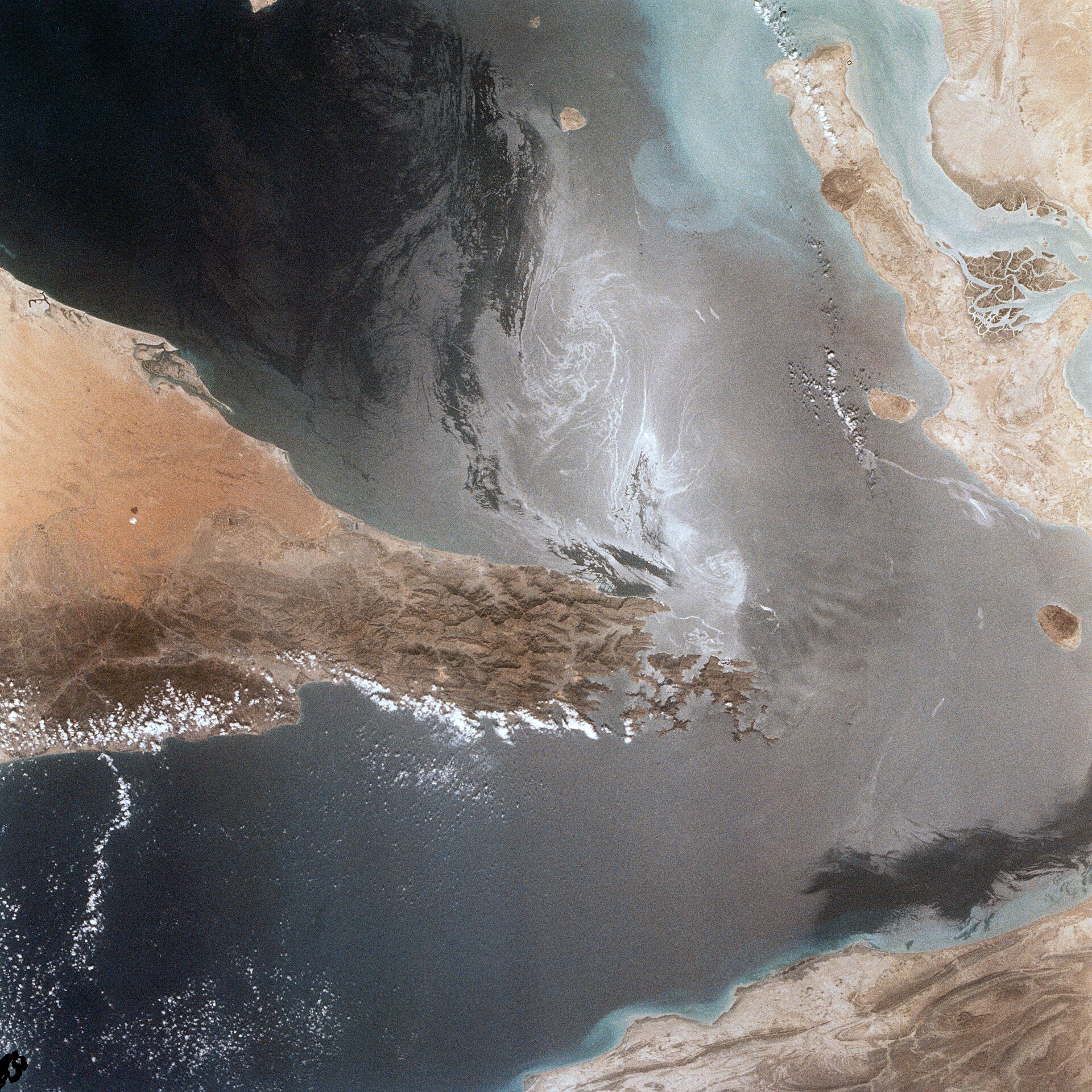
The Strait of Hormuz has remained closed for more than two and a half months, with initial signs of economic damage emerging. The blockade coincides with a strategic shift by President Trump away from Middle East conflict resolution toward confrontation with China.
European energy markets face mounting pressure from the prolonged closure of one of the world's most critical shipping routes. Analysts warn that sustained disruption could further destabilize global oil supplies and fuel inflation across EU economies dependent on Gulf energy imports.
Sources — how we know this
- PrimaryEl País
#Energy○ ...#Geopolitics○ ...
⚡
Autonomous PickMarketplace
Energy Portfolio
Check your broker for the latest on energy stocks.
View Now →