Lifestyle
Strait of Hormuz Closure: The Sanctions and Compliance Aftershock Few Are Pricing In
The EU has now publicly addressed Hormuz closure scenarios. For compliance officers across the CIS, GCC and EU, the legal architecture is shifting faster than the news cycle.
Speed:
ℹ️ Browser-based reading · AI studio voice coming soon

Alexei Morozov
· 4 min read
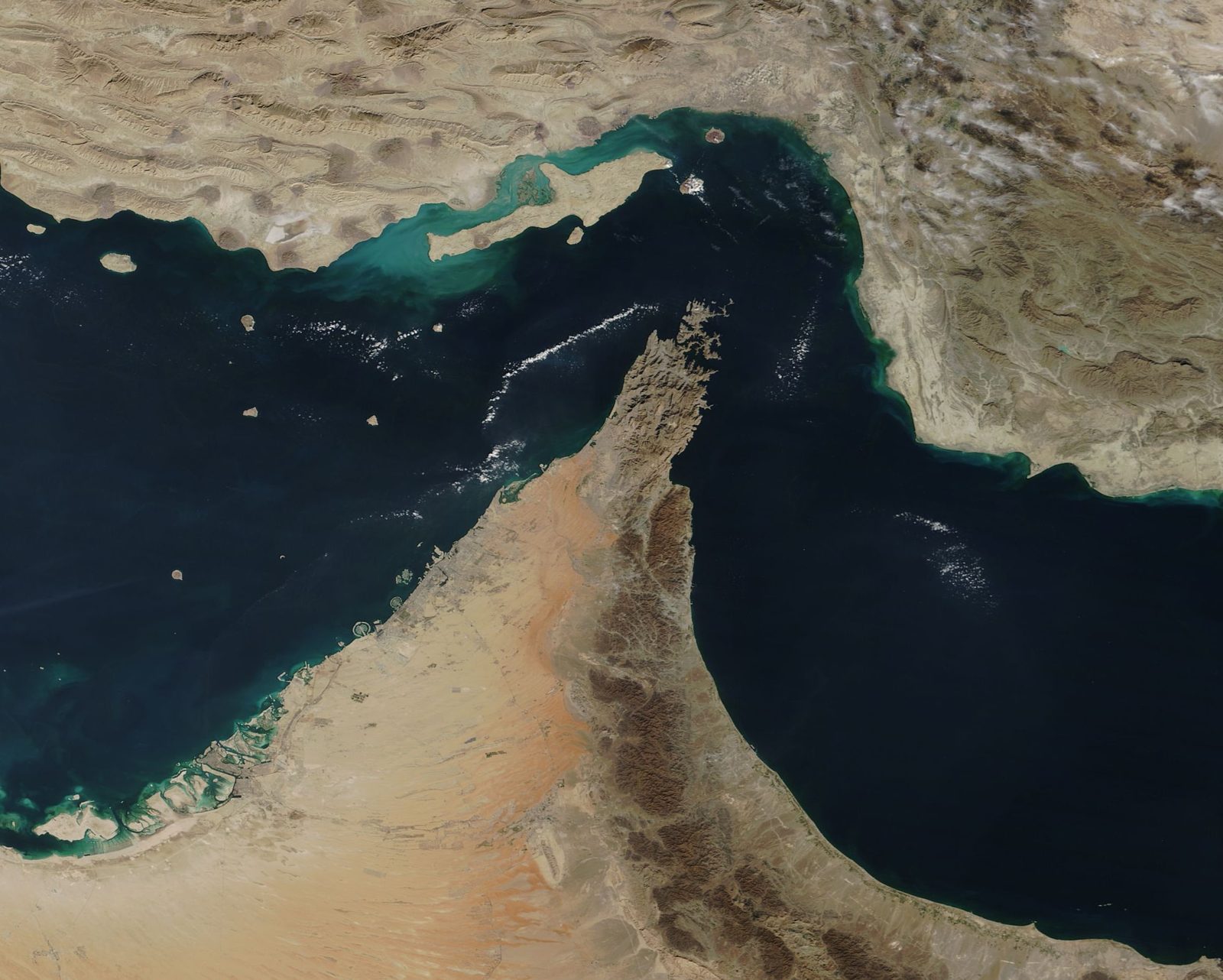
The single most consequential item crossing my desk this week is not a market move. It is a 4 May speech from Brussels in which the European Commission set out, on the record, its perspective on the closure of the Strait of Hormuz. When the Commission stages a roundtable on LNG and shipping and publishes the remarks, that is not commentary. That is the early scaffolding of a legal response.
For those of us advising clients with exposure across the CIS, the Gulf and the EU, this is the moment to…