The Hormuz Endurance Game Has No Easy Winners
As Rubio signals 'slight progress' in Iran talks, the real test is which economy cracks first under the pressure of a contested strait.

US Secretary of State Rubio said this week there was 'a little bit of movement' in negotiations to end the Iran war. In diplomacy, that carefully hedged language is itself a data point — it tells you the talks are alive but that nobody is close to a deal.
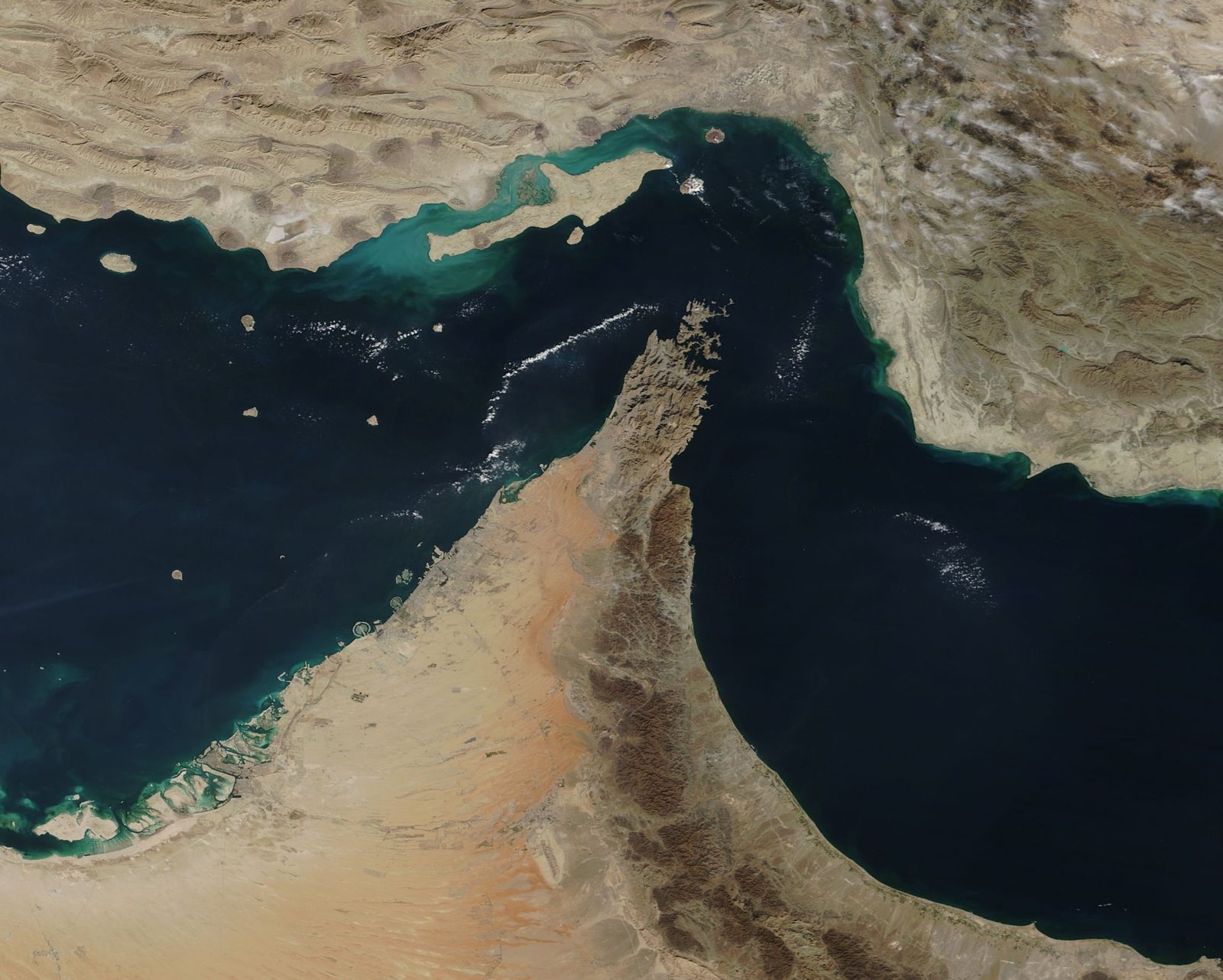
The Strait of Hormuz remains the pressure point. Tehran is calculating that its sanctions-hardened economy can outlast Washington's tolerance for elevated oil prices. The Americans, for their part, are contending with domestic political headwinds that make a prolonged standoff uncomfortable. Neither side is blinking cleanly.
This is not a new game. Iran has spent decades engineering an economy that can absorb external shocks — rotating trade partners, parallel financial channels, enforced self-sufficiency in key sectors. The architecture is imperfect and deeply punishing for ordinary Iranians, but it was built precisely for moments like this.
Washington's leverage is real but not unlimited. Elevated oil prices ripple into consumer costs across allied economies, and the political calendar rarely gives a US administration infinite patience for strategic patience.
'The side that controls the timeline controls the outcome — and right now, neither side does.'
Meanwhile, four European nations have called on Israel to halt actions that risk widening the regional conflict. That call lands in a week when video evidence of an Israeli strike on paramedics in southern Lebanon circulated widely, and when organisers of the Global Sumud Flotilla alleged at least 15 cases of sexual assault, including rape, against foreign activists held in Israeli detention. The diplomatic noise around Iran cannot be heard in isolation from these compounding pressures.
The Saudi-Egypt entertainment consortium announced this week — Saudi Arabia's Sela and Egypt's Talaat Moustafa Group launching a joint venture in Cairo — is a reminder that Gulf capital is still moving into the region confidently, even as the northern arc burns. Business bets on resolution; it always has.
From my years covering the arc from Beirut to Baghdad, I have learned one thing about these endurance contests: they rarely end with a dramatic breakthrough. They end with exhaustion dressed up as diplomacy. One side quietly signals it can live with less than it publicly demanded, back channels open, and a framework emerges that satisfies no one entirely but allows everyone to claim partial victory.
Rubio's 'slight progress' may be exactly that signal — a trial balloon floated to test domestic and allied reactions before a harder conversation begins.
What to watch next: whether the European call for Israeli restraint hardens into coordinated sanctions language, and whether Tehran's next negotiating session produces a written framework or another round of talking about talking.