Этот материал пока доступен только на языке: турецкий — перевод ещё не готов.
ABD-İran gerilimi: Masada uzlaşma, sahada saldırı hazırlığı
Trump'ın Çin ziyaretinin ardından Washington ve Tahran arasında kritik dönüşün sinyalleri gelmeye başladı.
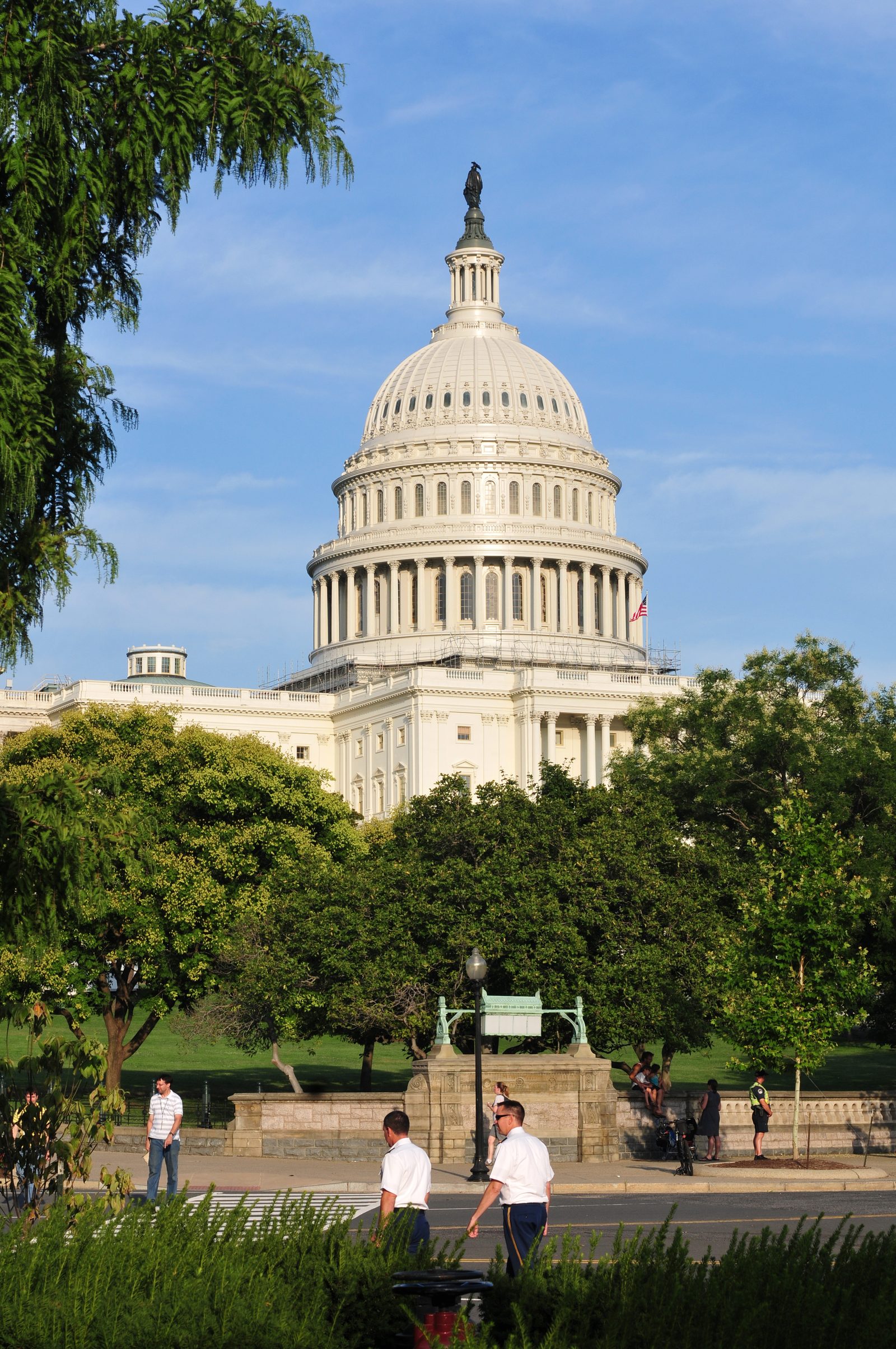
ABD Başkanı Donald Trump'ın Çin ziyaretini tamamlamasının hemen ardından Washington ve Tahran'dan art arda gelen açıklamalar, bölgedeki 'sıcak çatışma' riskinin ve nükleer krizin seyrinin kritik bir dönemeçte olduğuna işaret ediyor.
Trump yönetimi, İran'ın nükleer kapasitesini dondurmasını içeren bir çerçeve öneri üzerinde çalıştığı yönündeki sinyalleri güçlendirirken, Tahran kararlı bir tutumla yanıt verdi. İran yetkililerinin mesajı net: Ülke, egemenlik haklarından ve nükleer programına ilişkin kazanımlarından vazgeçmeyecek.
Diplomatik kanallar arka planda müzakere sinyalleri verse de sahada tablo farklı bir hikâye anlatıyor. Her iki tarafın askeri hazırlıklarını sürdürdüğüne dair göstergeler, masada varılabilecek olası bir uzlaşmanın kalıcılığı konusunda ciddi soru işaretleri doğuruyor.
Orta Doğu'daki bu çift yönlü gerilim; petrol piyasaları, bölgesel istikrar ve küresel güvenlik dengeleri açısından yakından izlenmeye devam ediyor.
Источники — откуда мы это знаем
- ПервичныйTRT Haber