Этот материал пока доступен только на языке: английский — перевод ещё не готов.
EU gas imports from Russia hit highest level since Ukraine invasion
European Union continues importing Russian natural gas at elevated levels despite 2027 commitment to end all Russian energy supplies.
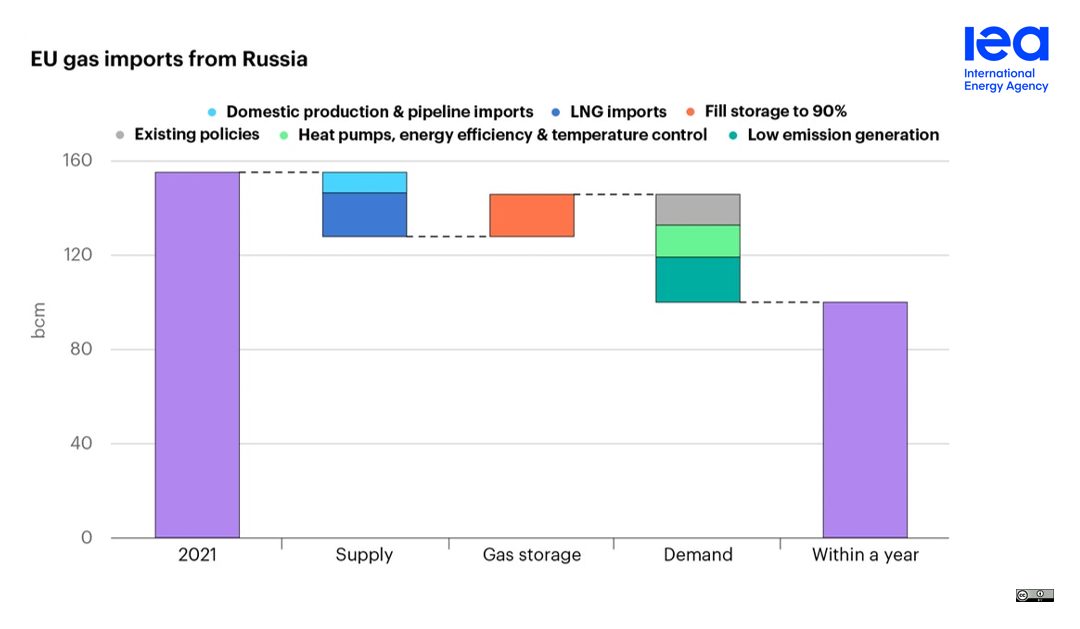
The European Union imported Russian gas at the highest volume since Russia's full-scale invasion of Ukraine in February 2022, according to an EurActiv report, undercutting the bloc's stated commitment to energy independence.
The EU pledged in 2022 to end all imports of Russian gas and oil by the end of 2027. However, continued reliance on Russian supplies reflects both the difficulty of rapidly replacing energy infrastructure and the competitive pricing of Russian gas in European markets.
The figures highlight the gap between EU political rhetoric on sanctions and the practical constraints of energy transition. Member states including Hungary have resisted stronger measures against Russian energy, complicating unified bloc policy.
Источники — откуда мы это знаем
3 независимых источника подтвердили это
- ПервичныйEurActiv
- ПодтверждающийKyiv Post
- ПодтверждающийThe Moscow Times
Energy Portfolio
Check your broker for the latest on energy stocks.
Смотреть →