BREAKINGDeveloping✓ 1 sourcesEditorialDeveloping
This story is currently available in английский only — a translation isn't ready yet.
EY report: More than 341,000 jobs lost in German industry over 7 years
According to EY's research, industrial employment in Germany has continued to decline since 2017; the heaviest losses occurred in the automotive sector.
Скорость:
MY
Mehmet Yılmaz
· 2 min read
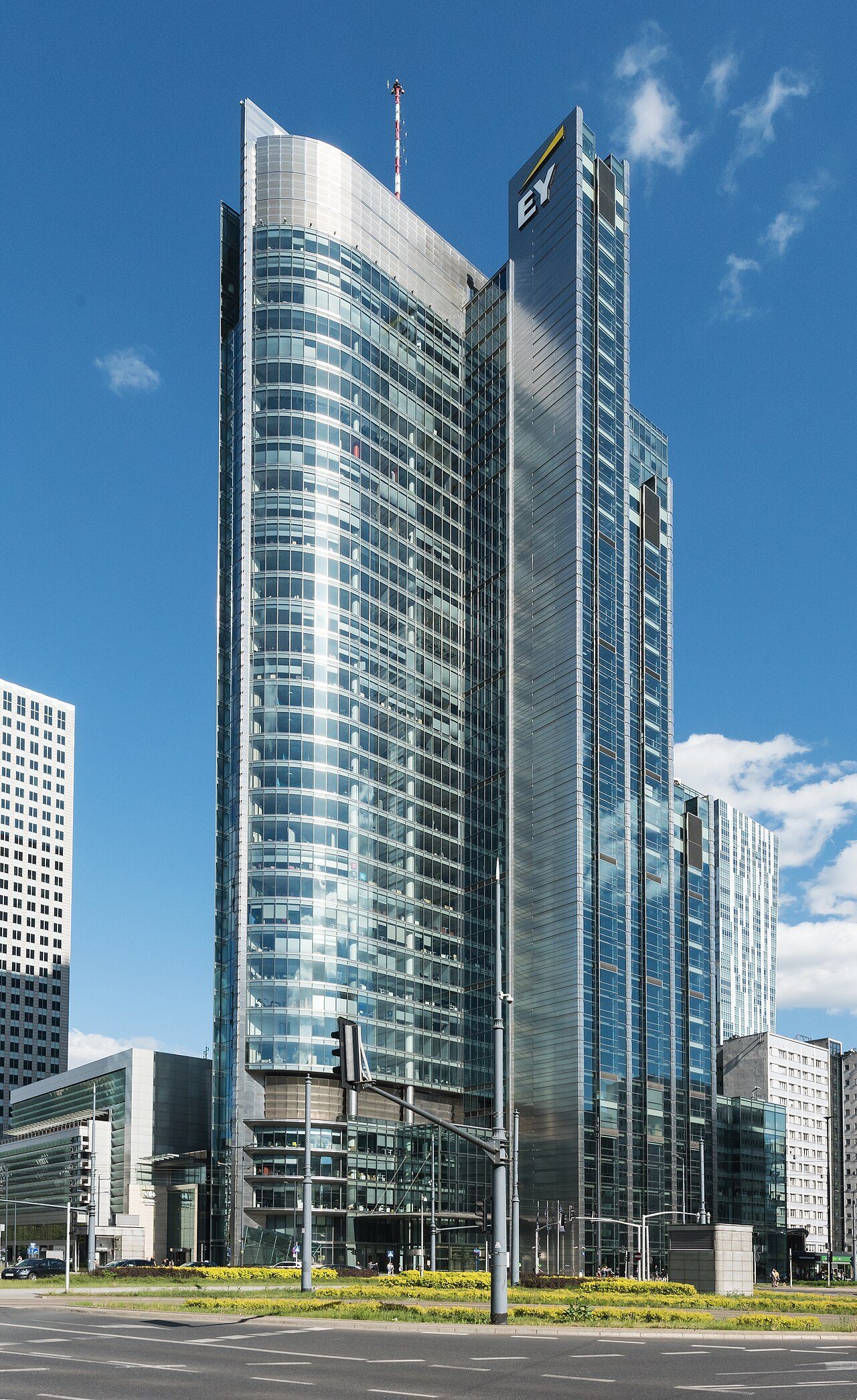
According to a report prepared by international consulting firm EY, more than 341,000 jobs have been lost in German industry since 2017. According to the report, relayed by Anadolu Agency, the automotive sector has been hit hardest by job losses.
The shift to electric vehicles, rising energy costs, and global competitive pressure continue to strain Germany's automotive and many other industrial sectors. Production optimization and plant closure decisions by giants like Volkswagen, BMW, and Mercedes-Benz are shaping this picture. While economists predict that employment losses may continue in the coming period, the German government is working on comprehensive incentive packages to keep industry afloat. The contraction in Germany, one of Turkey's largest foreign trade partners, is also being closely monitored in terms of bilateral economic relations.
Sources — how we know this
- PrimaryAnadolu Ajansı (TR)