Developing✓ 1 sourcesEditorialDeveloping
This story is currently available in английский only — a translation isn't ready yet.
Germany launches new EV subsidy scheme with up to €6,000 grants
Berlin reshapes electric vehicle incentives, but economists and dealers warn of limited reach and effectiveness.
Скорость:
ℹ️ Озвучка браузером · студийный голос ИИ скоро
PD
Pierre Dubois
· 2 min read
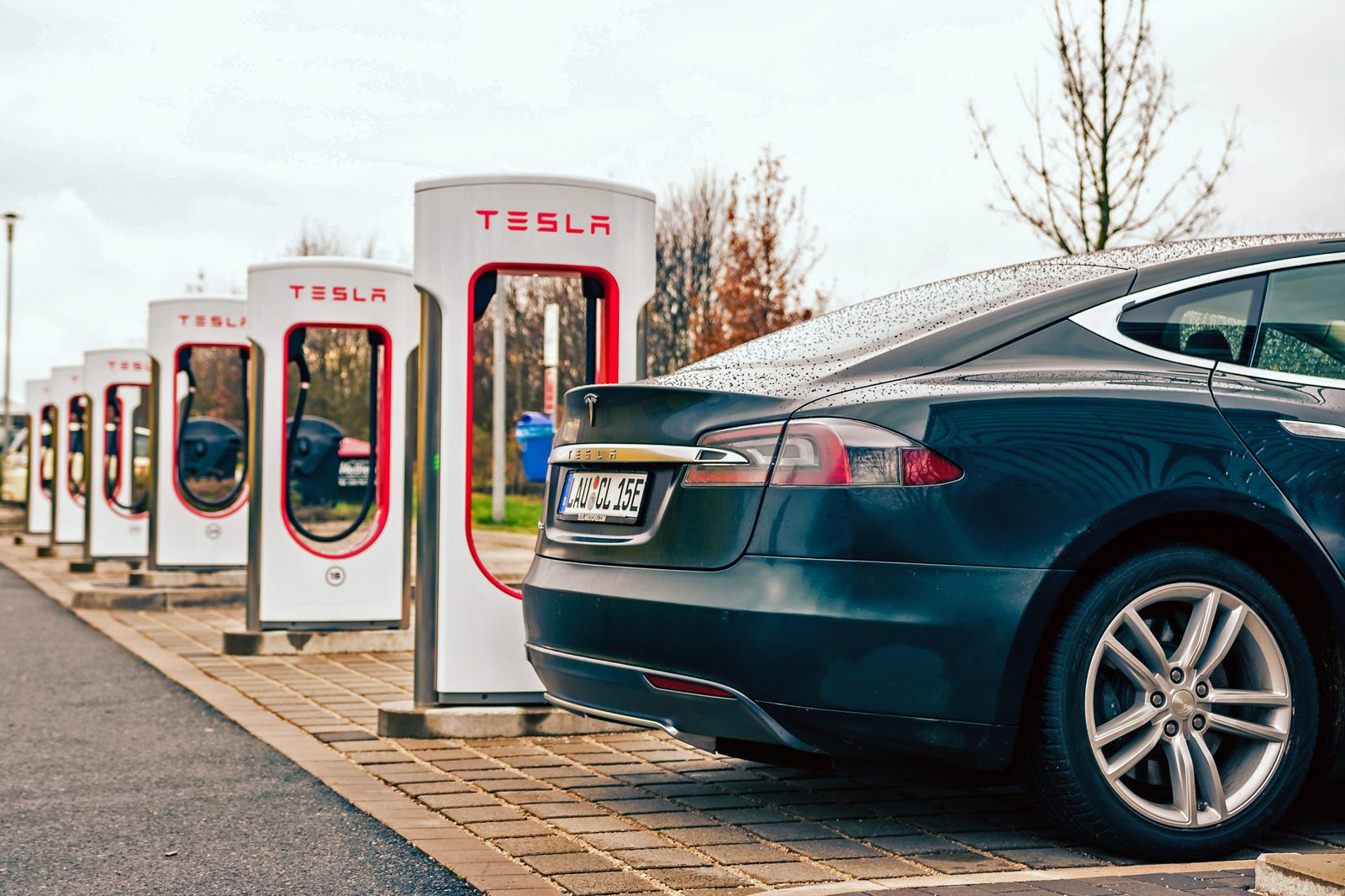
Germany has introduced a revised electric vehicle subsidy programme offering up to €6,000 in grants for new EV purchases. However, the scheme faces criticism from economists and automobile dealers who question its broad applicability and long-term impact.
Not all buyers qualify for the maximum subsidy under the new structure. The programme represents Berlin's attempt to boost EV adoption as the country seeks to meet climate targets and compete with Chinese manufacturers in the zero-emissions vehicle market.
Skeptics argue the incentive structure may not sufficiently address affordability concerns or drive meaningful market transformation. The debate reflects ongoing tensions in Germany's automotive sector over subsidy effectiveness versus market-driven transition strategies.
Sources — how we know this
- PrimaryTagesschau
⚡
Autonomous PickMarketplace
Energy Portfolio
Check your broker for the latest on energy stocks.
View Now →