BREAKINGDeveloping✓ 1 sourcesEditorialDeveloping
This story is currently available in английский only — a translation isn't ready yet.
Iran targets tech giants over Strait of Hormuz internet cables
Tehran proposes charging Google, Meta, Microsoft and Amazon for access to undersea infrastructure crossing strategic chokepoint.
Скорость:
ℹ️ Озвучка браузером · студийный голос ИИ скоро
PD
Pierre Dubois
· 2 min read
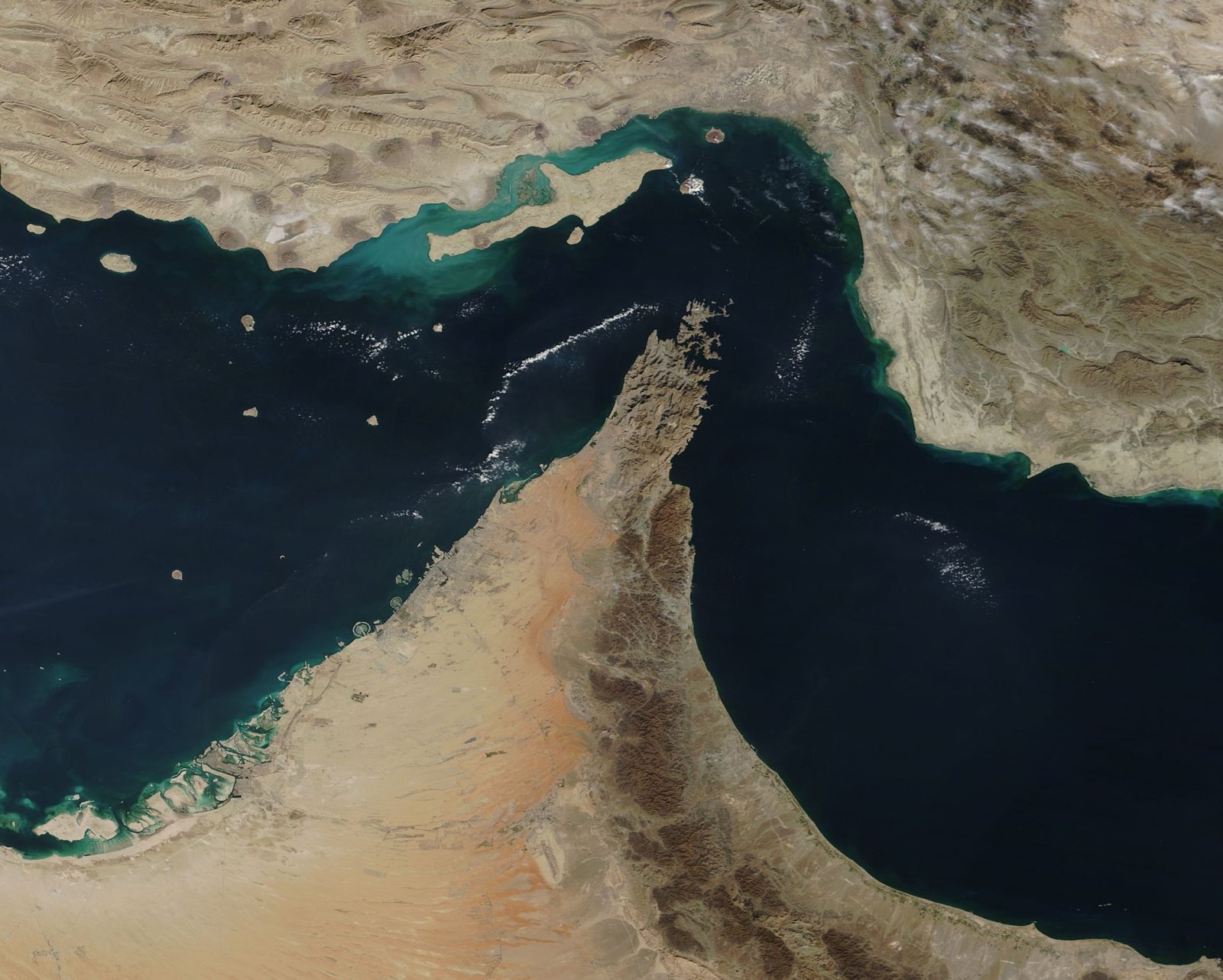
Iran is considering a new leverage tactic in its standoff with the West: charging multinational technology companies for access to undersea internet cables crossing the Strait of Hormuz, according to France 24.
The proposal would target Google, Meta, Microsoft and Amazon—corporations whose global networks depend on undersea infrastructure passing through Iranian territorial waters.
The plan reflects Tehran's strategy of monetising critical chokepoints amid escalating tensions with the United States. The Strait of Hormuz remains one of the world's most strategically vital waterways for international data transmission and energy shipments.
Iran has previously used control of regional infrastructure as a bargaining tool in diplomatic negotiations.
Sources — how we know this
- PrimaryFrance 24 (EN)