Developing✓ 1 sourcesEditorialDeveloping
This story is currently available in английский only — a translation isn't ready yet.
Kazakhstan cautiously legalizes cryptocurrency payments
Central Asian nation moves to regulate digital assets in economy.
Скорость:
PD
Pierre Dubois
· 2 min read
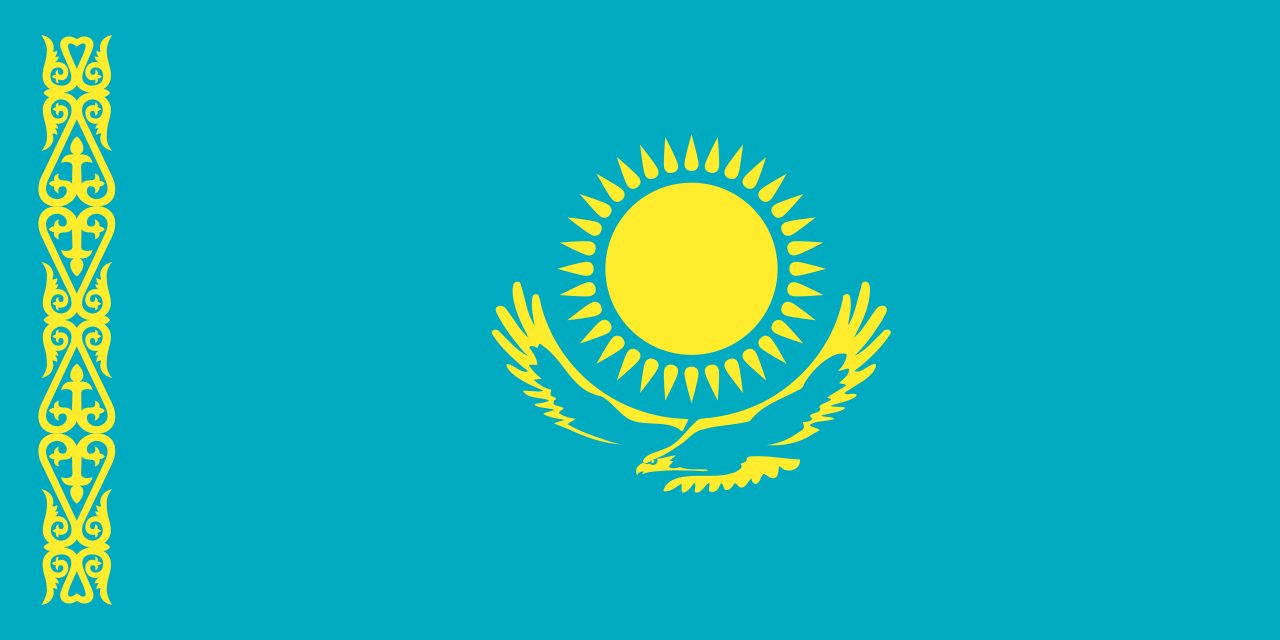
Kazakhstan has given cryptocurrency payments a cautious green light, signaling the government's readiness to integrate digital assets into the country's formal financial system while maintaining firm regulatory oversight.
The move marks a significant policy shift for the Central Asian nation, positioning it as one of the few post-Soviet states to formally embrace cryptocurrency as a recognized payment instrument. Rather than an outright embrace, the approach is deliberately measured, suggesting that legalization will be accompanied by strict compliance frameworks, anti-money laundering requirements, and know-your-customer obligations designed to prevent financial abuse.
Kazakhstan has in recent years emerged as a notable player in the global crypto landscape, partly due to its abundant energy resources attracting Bitcoin mining operations following China's crackdown on the industry. Bringing payments under a regulated framework reflects a broader effort by Astana to harness the economic potential of digital assets while protecting monetary stability and meeting international financial oversight standards. Further regulatory details are expected to follow.
Sources — how we know this
- PrimaryGoogle News — Kazakhstan