BREAKINGDeveloping✓ 1 sourcesEditorialDeveloping
This story is currently available in английский only — a translation isn't ready yet.
Organised crime building 'state within a state' in Dutch neighbourhoods, report warns
Criminal networks have embedded themselves deeply in some Dutch communities and economic sectors, creating parallel power structures, a new report finds.
Скорость:
ℹ️ Озвучка браузером · студийный голос ИИ скоро
PD
Pierre Dubois
· 2 min read
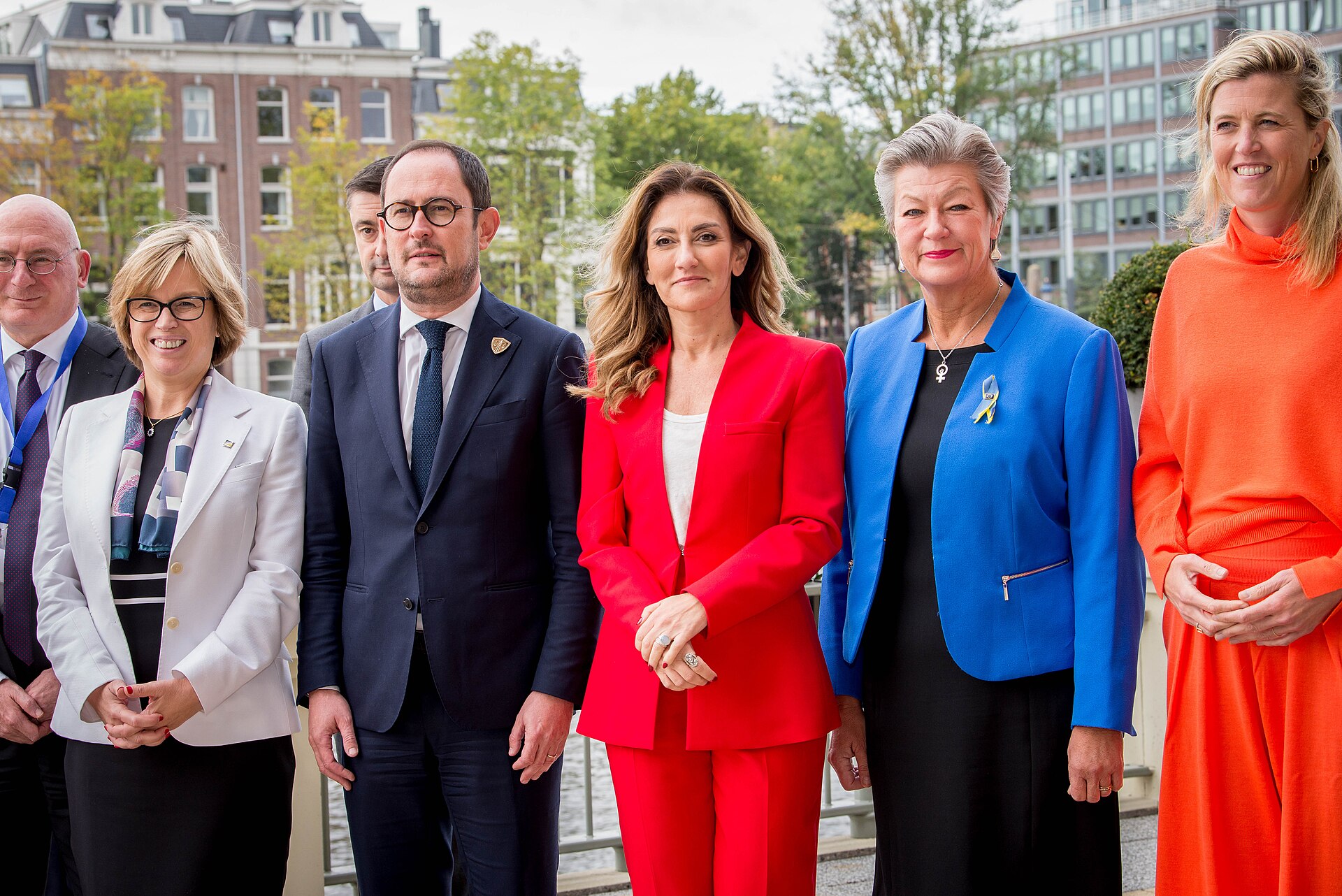
Criminal networks in some Dutch neighbourhoods and economic sectors have entrenched themselves to a degree that risks creating a "state within a state", DutchNews reported, citing a new report.
The report warns that organised crime is no longer operating solely on the margins but is embedding itself deeply enough to challenge legitimate authority in specific localities and industries in the Netherlands.
The wire did not name the report's authors or commissioning body, nor did it specify which neighbourhoods or sectors are most affected. However, the framing — a parallel governance structure — marks an escalation in the language used by Dutch analysts to describe the problem.
The Netherlands has faced sustained scrutiny over drug-related organised crime, including high-profile killings linked to criminal networks in recent years. The new report adds institutional weight to concerns that the problem has structural rather than purely criminal dimensions.
Sources — how we know this
- PrimaryDutchNews