BREAKINGDeveloping✓ 1 sourcesEditorialDeveloping
This story is currently available in английский only — a translation isn't ready yet.
Turkey's Erdogan reverses plan to close liberal Bilgi University after public outcry
President Erdogan scrapped the closure of Istanbul's Bilgi University, founded in 1996 and part of the Laureate International Universities network, a US-based group operating across multiple continents.
Скорость:
PD
Pierre Dubois
· 2 min read
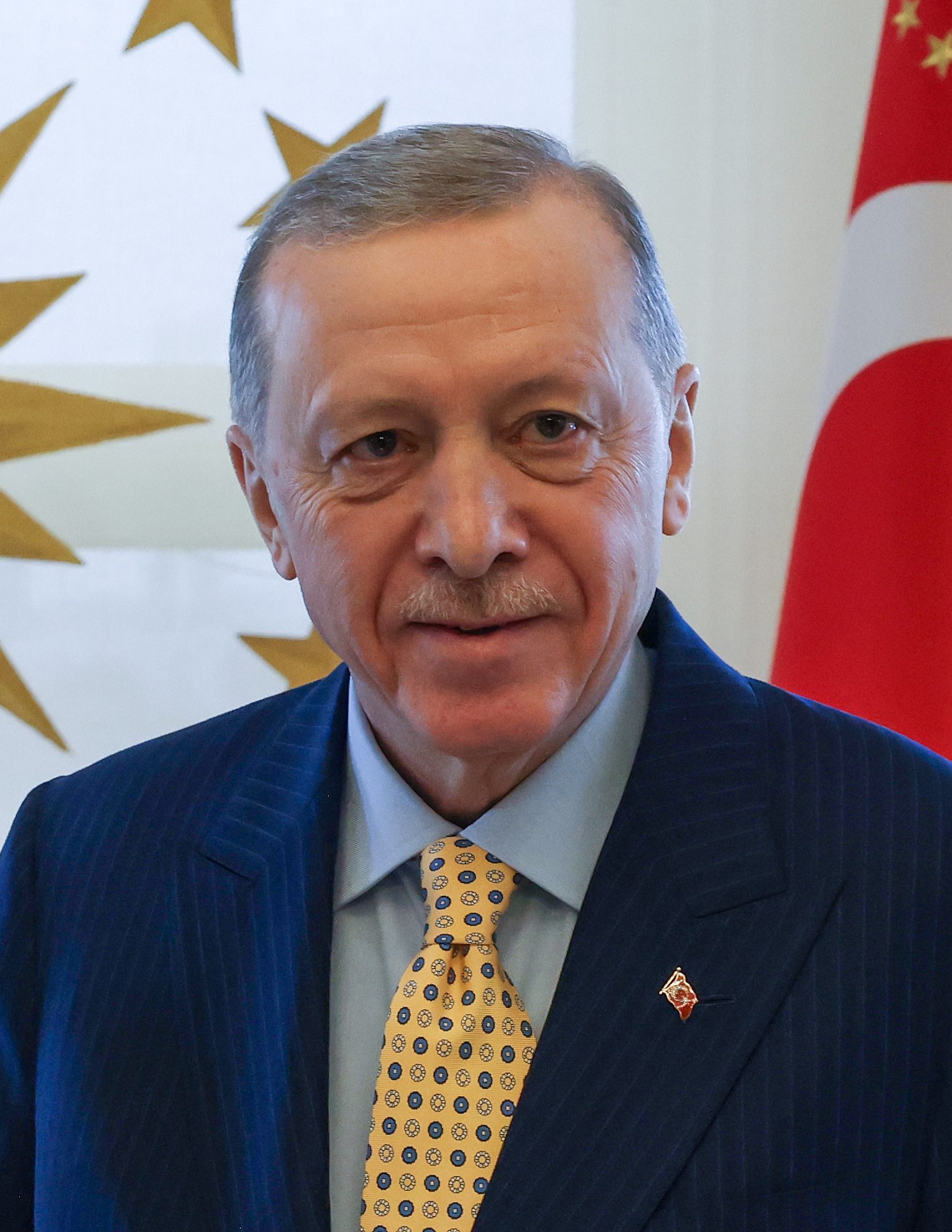
Turkish President Recep Tayyip Erdogan has reversed a move to close Bilgi University following a wave of public opposition, Euronews reported.
Bilgi University, founded on 7 June 1996 as Turkey's fourth private foundation university, is widely regarded as one of the country's more liberal higher-education establishments. The Istanbul-based institution became part of the Laureate International Universities network in 2006, joining a US-based group that operates universities across multiple continents.
The planned closure had triggered significant public backlash, with students, academics, and civil society voices raising concern over the future of one of Turkey's most internationally connected private universities. The outcry prompted Erdogan to withdraw the closure order.
Bilgi's reputation for academic openness has long set it apart within Turkey's higher-education landscape, making the initial closure announcement particularly alarming to those who see the university as a symbol of intellectual pluralism in the country. No further details on the timeline or legal mechanism of the reversal were provided in the wire.
Sources — how we know this
- PrimaryEuronews (EN)
#politics○ ...#education○ ...