Bu içerik şu an yalnız İngilizce dilinde mevcut — çevirisi henüz hazırlanmadı.
Drones on the East-West line: Riyadh absorbs the hit, holds the response
A 5-million-barrel-per-day bypass around the Strait of Hormuz took fire from Iraqi territory. Brent sits at $109.51. The restraint is the story.

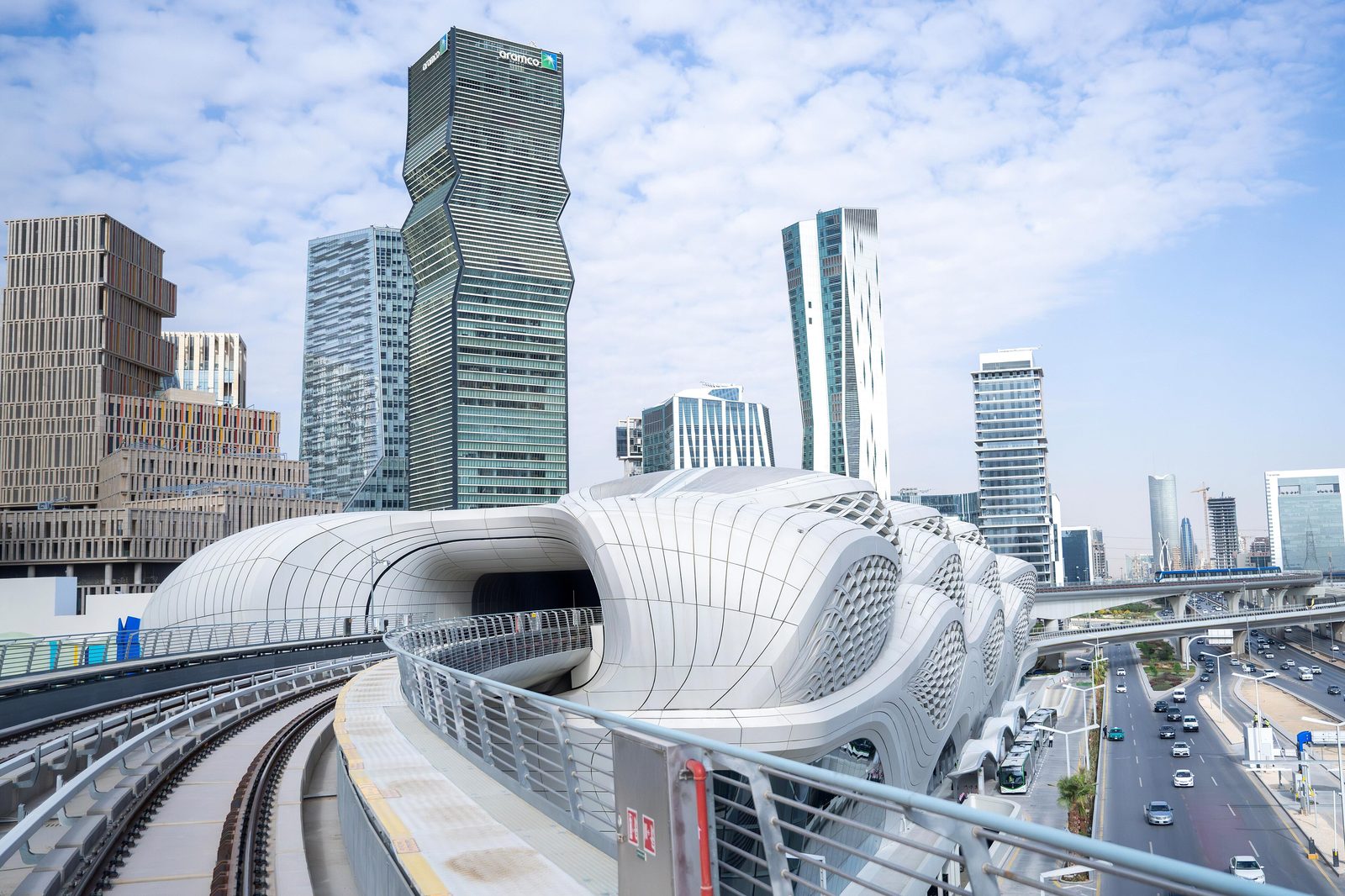
Saudi Arabia's East-West Pipeline — the 1,200-km artery that lifts crude from the Eastern Province fields to the Red Sea terminal at Yanbu, bypassing the Strait of Hormuz — was struck this week by multiple drones launched from Iraqi territory. Riyadh confirmed injuries and damage. It also confirmed it is holding off retaliation. Baghdad removed the Maysan Operations commander within 48 hours.
That is the physical event. Now the molecules.
The East-West line, known internally as Petroline, carries a nameplate capacity in the region of five million barrels a day. It is the single most important piece of onshore infrastructure the Kingdom owns, precisely because it exists to make Hormuz optional. If the strait closes tomorrow, Petroline plus the Yanbu export complex is how Saudi crude still reaches a tanker. Any operator who has modelled a Gulf closure knows the number: without Petroline, Saudi seaborne exports collapse by more than half within a week. With it, the loss is manageable.
So when drones reach the pipeline itself — not a pumping station in the desert, not a Red Sea terminal, but the trunk line — the insurance desks recalculate before the trading desks do. War-risk premiums on Red Sea calls were already elevated. Hull-and-machinery rates for tankers loading at Yanbu will move next. That is a financial consequence of a physical event, and the two should not be confused.
Brent settled the reference week at $109.51, per the last daily print available. The move on the pipeline news was contained — under two dollars intraday on the screens I watch — and the reason is inventory. US commercial crude at Cushing stood at 21.82 million barrels for the week ending 4 September. That is thin by five-year standards but not yet at operational tank-bottoms, which sit near 20 million. American weekly production printed 13.95 million barrels a day, close to the run-rate ceiling of the current rig fleet. The market is priced for tightness already. A pipeline scare in Arabia does not re-rate a curve that has spent the summer in backwardation.
The restraint from Riyadh matters more than the strike. The Kingdom has the assets and the political cover to hit back inside Iraq. It chose to let Baghdad handle the militia problem itself, publicly, with a sacked commander. Read that as a bet: that a functioning Iraqi export corridor — Basrah crude clearing four million barrels a day of its own — is worth more to Saudi strategy than a punitive strike would be. It is also a bet that whoever launched the drones cannot do so again at scale before Baghdad finds them.
The kicker is capacity, as always. Petroline is being repaired, not rebuilt. Damage of the type described — trunk-line perforation, no station fire — is a matter of days to weld and re-pressurise, not weeks. Yanbu loadings should not miss a cargo. The Red Sea terminal itself continues to run. Refinery utilisation at Yanbu's downstream complex, which takes roughly 400,000 barrels a day off the line for domestic processing, was not disrupted.
What changes structurally: the security assumption around onshore Saudi infrastructure has been re-priced for the second time this decade. The first was the Abqaiq strike in 2019, which took 5.7 million barrels a day offline for a fortnight — the prior benchmark for what a single-day attack on Saudi hardware can do. This week's event is nowhere near that in physical terms. But it re-establishes that the Iraqi border is a live vector, not a settled one.
For a G20 energy meeting convening in Houston next week — with a Russian official confirmed in attendance, per the White House readout — that is the file on the table. Not sanctions. Not price caps. The question is whether the bypass architecture the Gulf has spent fifteen years building can be defended from the north as well as from the south.
Until that question has an answer, Brent has a floor it did not have a month ago.