Gelişiyor✓ 1 kaynakEditöryelGelişiyor
Bu içerik şu an yalnız İngilizce dilinde mevcut — çevirisi henüz hazırlanmadı.
Zelenskyy warns of escalating Russian 'human safari' operations in Ukraine
Ukrainian president raises alarm over alleged Russian practice of deliberately targeting civilians as conflict intensifies.
Hız:
PD
Pierre Dubois
· 2 dk okuma
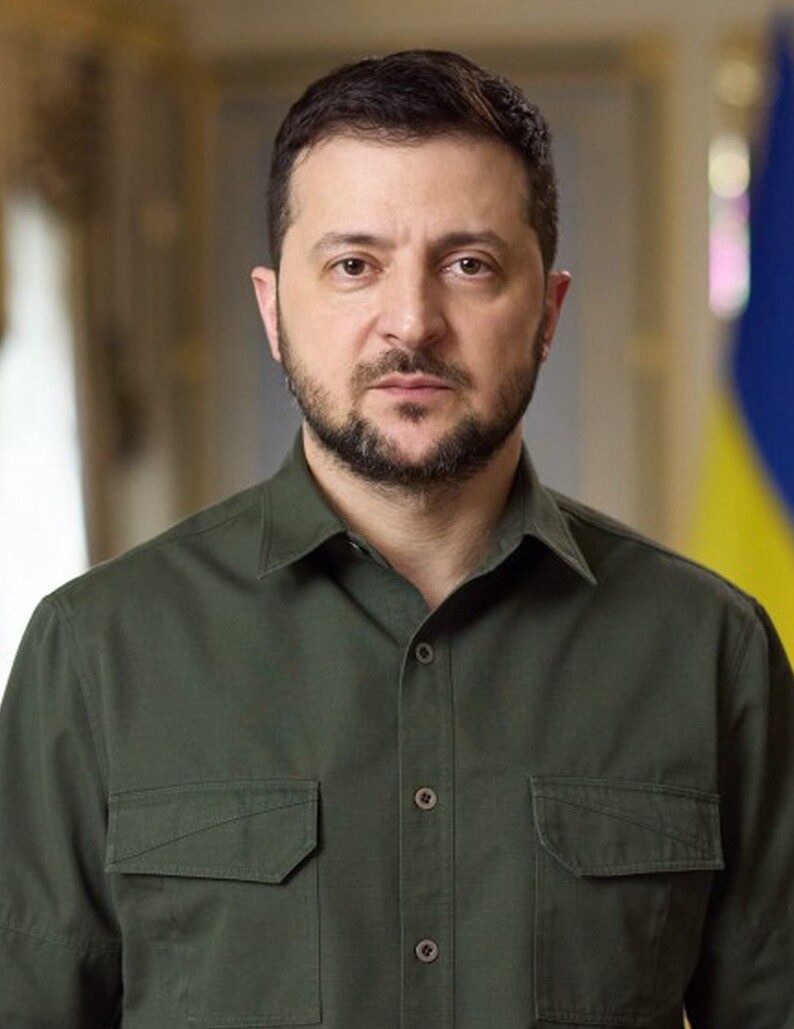
President Volodymyr Zelenskyy has raised fresh alarm over what he has characterized as Russia's escalating 'human safari' operations in Ukraine, according to reporting published by the Atlantic Council, a prominent Washington-based international affairs think tank.
The term, as described by the Ukrainian president, refers to alleged Russian practices that deliberately target civilians — treating them as prey rather than affording them the protections guaranteed under international humanitarian law. Zelenskyy's warning signals a deepening Ukrainian concern that such tactics are not isolated incidents but represent a pattern that has grown more pronounced as the conflict enters its fourth year.
By raising the alarm publicly and through internationally recognized forums such as the Atlantic Council, Zelenskyy appears to be intensifying efforts to draw global attention to the human cost of the war and to press Ukraine's partners for continued support. The allegations, if substantiated, could carry serious implications under international law governing the conduct of armed conflict.
Kaynaklar — Bu haberi nasıl biliyoruz
- BirincilGoogle News — Ukraine