هذا المحتوى متاح حالياً باللغة الإنجليزية فقط — الترجمة ليست جاهزة بعد.
Net 46% Feel The Squeeze: Frankfurt's Credit Channel Bites As London Tinkers
The SAFE survey says euro-area lending conditions tightened again in Q3. London fiddles with gherkin tariffs. Two credit channels, one direction.

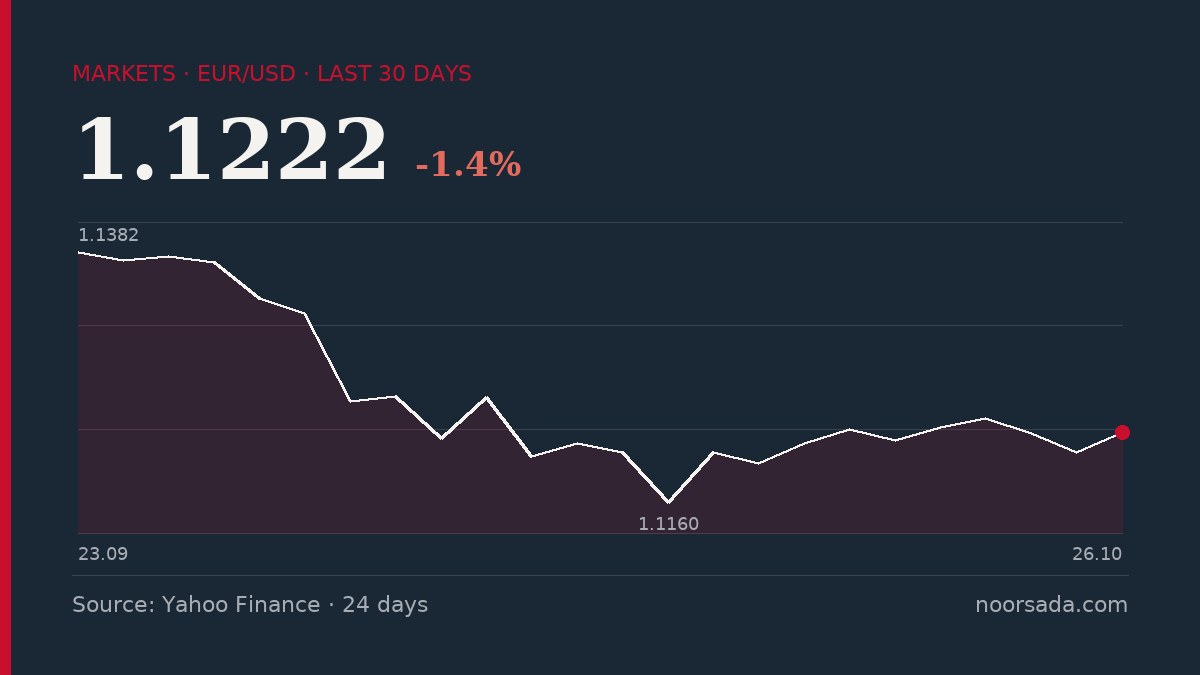
The number worth staring at this morning is not a yield. It is net 46 percent — the share of euro-area firms telling Frankfurt's quarterly access-to-finance survey that bank lending rates went up again in the third quarter, against net 42 percent the round before. Large firms carried most of the move: net 55 percent reported higher rates, from net 41 percent. Small and medium firms came in at net 38, down from 43. Fees and commissions softened slightly to net 27 percent. Collateral requirements climbed to net 14.
Transmission, in other words, is still arriving. In the piece on the September minutes I wrote under the headline Terminal Above 3%, Mittelstand Under Water, the complaint was that Council forecasts and corporate pain were two different books. The SAFE round published yesterday reads as a page from the second book. Availability of bank loans fell by a net 5 percent while needs fell by only a net 2 percent. The financing gap stayed positive at net 2. More firms expect availability to deteriorate over the next three months.
One caveat the release itself flags: the sample composition shifted substantially, with first-time respondents forming the majority. Among firms present in both the current and previous rounds, selling-price expectations and median inflation expectations were broadly unchanged. In the full sample they jumped. Treat the price-expectation reading with the respect you give a thermometer somebody has just moved to a different room.
Across the Channel, the Chancellor delivers his first Budget this lunchtime. The pre-briefed package is modest: a new allowance to keep the uprated flat-rate state pension of £13,036.40 outside income tax, suspended import tariffs on more than a hundred products — marmalade and gherkins the headline items — a permanent higher mileage rate, and an end to the carer's allowance cliff-edge. The Treasury's own framing puts the household saving at up to £21 per year. Press reporting notes government borrowing costs described as historically high going into the print.
So the question the desk note posed answers itself in part. Frankfurt's credit channel is tightening by observation. London is loosening nothing in credit terms today — it is redistributing a few pounds at the margin and leaving the gilt curve to judge the fiscal arithmetic when the OBR numbers land alongside the speech.
For the open ledger: the EUREP operational detail I flagged for 5 November is not due yet and stays open. The thing to watch between the Chancellor sitting down and the close is the long end of the gilt curve against Bunds — that is the price the Budget exists to move, whether the Treasury admits it or not.