هذا المحتوى متاح حالياً باللغة الإنجليزية فقط — الترجمة ليست جاهزة بعد.
When the Pipeline Burns, the Stadium Asks Questions
Drone strikes on Saudi Arabia's East-West Pipeline are a stress test not just for energy infrastructure, but for the sporting ambition built around it.

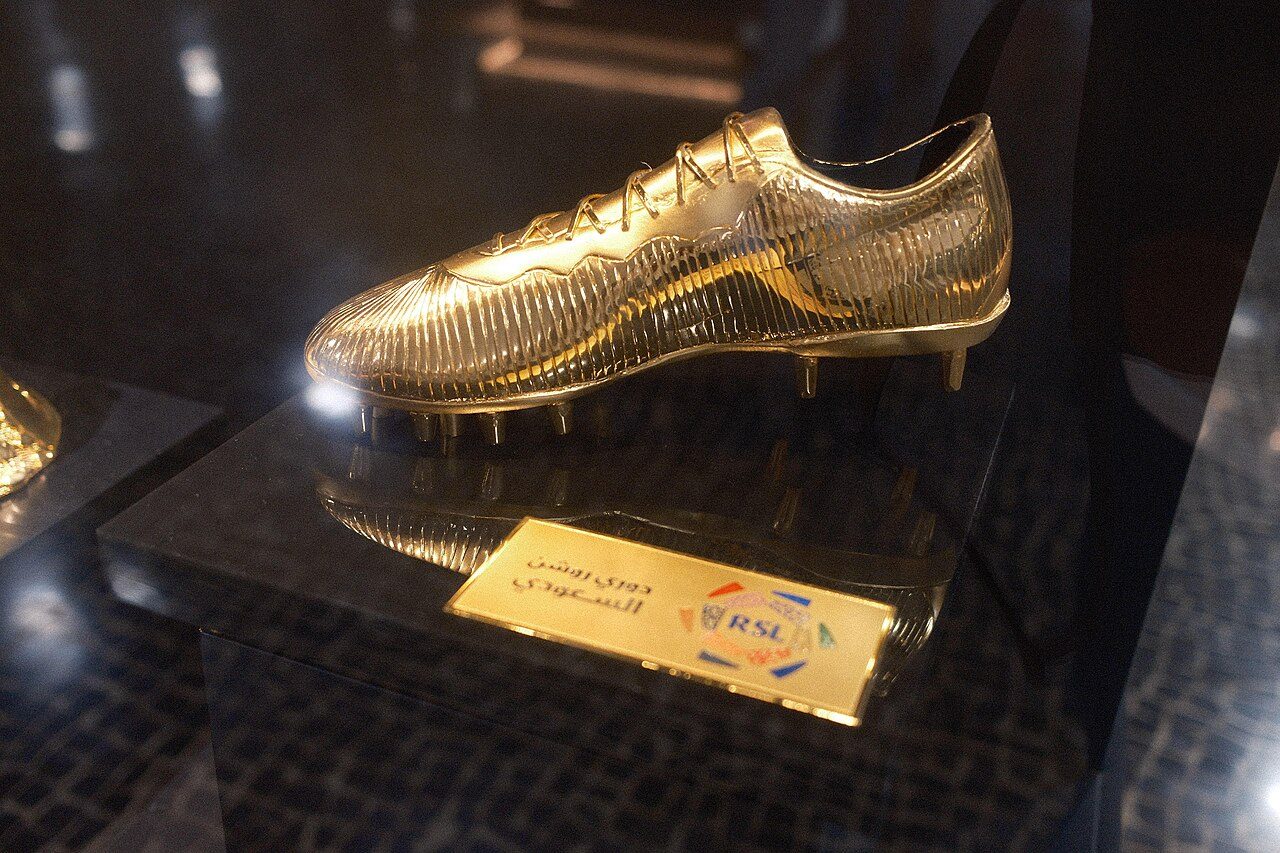
There was a moment on Friday — not on any pitch, not in any paddock — that every sports director in Riyadh will have felt in the back of the throat. Multiple drones launched from Iraq struck Saudi Arabia's East-West Pipeline, causing injuries and damage. The Kingdom held off its response, measured and deliberate. The sports world barely blinked.
It should have.
The Saudi Pro League, the Formula 1 night race in Jeddah, the boxing cards that have turned the desert into a prizefighting capital, the golf events, the wrestling spectacles — all of it sits inside a project that requires, as its absolute foundation, the perception of stability. Not just the reality. The perception. Sponsors price that risk. Broadcasters price it. Athletes and their representatives price it very carefully, especially the ones with clauses.
This is not about whether Saudi Arabia is safe. The government's restrained, calibrated response — naming the source, documenting the damage, declining immediate escalation — is itself a signal of institutional confidence. That matters. But the Gulf sports machine runs on something more fragile than confidence: it runs on narrative. And a drone strike on a strategic pipeline, regardless of what follows diplomatically, hands critics a paragraph they will use for years.
The Saudi Pro League has worked genuinely hard against that kind of paragraph. The football itself has improved — not uniformly, but in pockets that deserve honest attention rather than the sneering dismissal it still attracts in certain European press rooms. Attendances have grown. Youth development structures are being built that won't pay off for a decade, which is exactly how you know someone is serious. None of that vanishes because of Friday's incident. But all of it now operates under a fresh asterisk in the minds of risk departments at major clubs considering partnership extensions.
Formula 1 has raced at night in Jeddah through previous regional tensions. The sport's commercial leadership has shown a high tolerance for geopolitical complexity — arguably too high, depending on who you ask, though that is a different column. The circuit contract runs through terms that no incident short of active conflict would break. That structural commitment is real.
What concerns me is quieter. It's the mid-tier athlete — not the global star insulated by a nine-figure deal and a private security detail, but the solid professional weighing a Saudi Pro League move against a more comfortable posting in Europe or Asia. Friday's images travel. They sit in WhatsApp groups between agents and families. They become the question a mother asks.
The East-West Pipeline will be repaired. Diplomatic channels are already working. The sports calendar, almost certainly, will proceed without interruption.
But the cameras that cut away from the pipeline smoke on Friday morning were cutting away from the most consequential frame of the Gulf's sporting week.