This story is currently available in Englisch only — a translation isn't ready yet.
Venice Biennale opens amid Russia and Israel protest controversy
World's oldest contemporary art event faces resignations and boycotts as global politics dominate opening week.
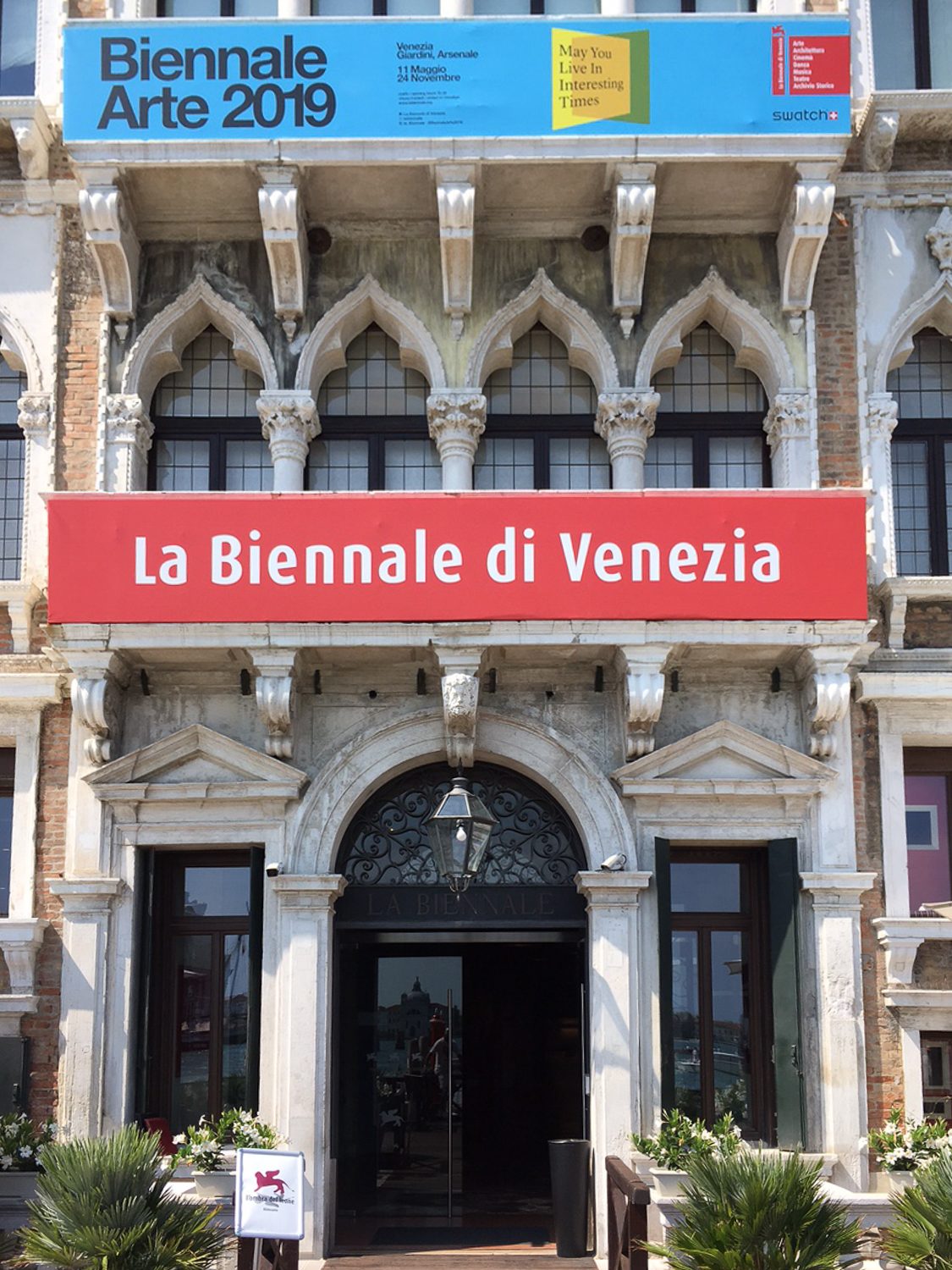
The Venice Biennale, the world's oldest contemporary art event, opened Saturday for a six-month run amid significant political turmoil, with resignations and boycotts casting a shadow over the prestigious gathering.
Global political tensions, particularly disputes surrounding Russia and Israel, have destabilized the event's traditionally apolitical platform. Multiple resignations have been reported among organizers and participants in protest over curatorial decisions and representation issues. Boycott movements have gained momentum among artists and international delegations objecting to aspects of the exhibition's political positioning.
The controversy underscores mounting pressure on major cultural institutions to take explicit political stances on contemporary conflicts. The Biennale, historically celebrated as a neutral space for artistic expression, now faces questions about its governance and values. The opening turmoil suggests the six-month event will remain contentious as the art world grapples with broader geopolitical divisions.
Sources — how we know this
- PrimaryRFI English