Mecca Defense Pact Ministers Arrive in Tehran to Contain US-Iran Escalation
Saudi Defense Minister, Pakistani Army Chief, and Turkish Intelligence Chief meet Pezeshkian in the highest-level diplomatic encounter Tehran has seen in months.
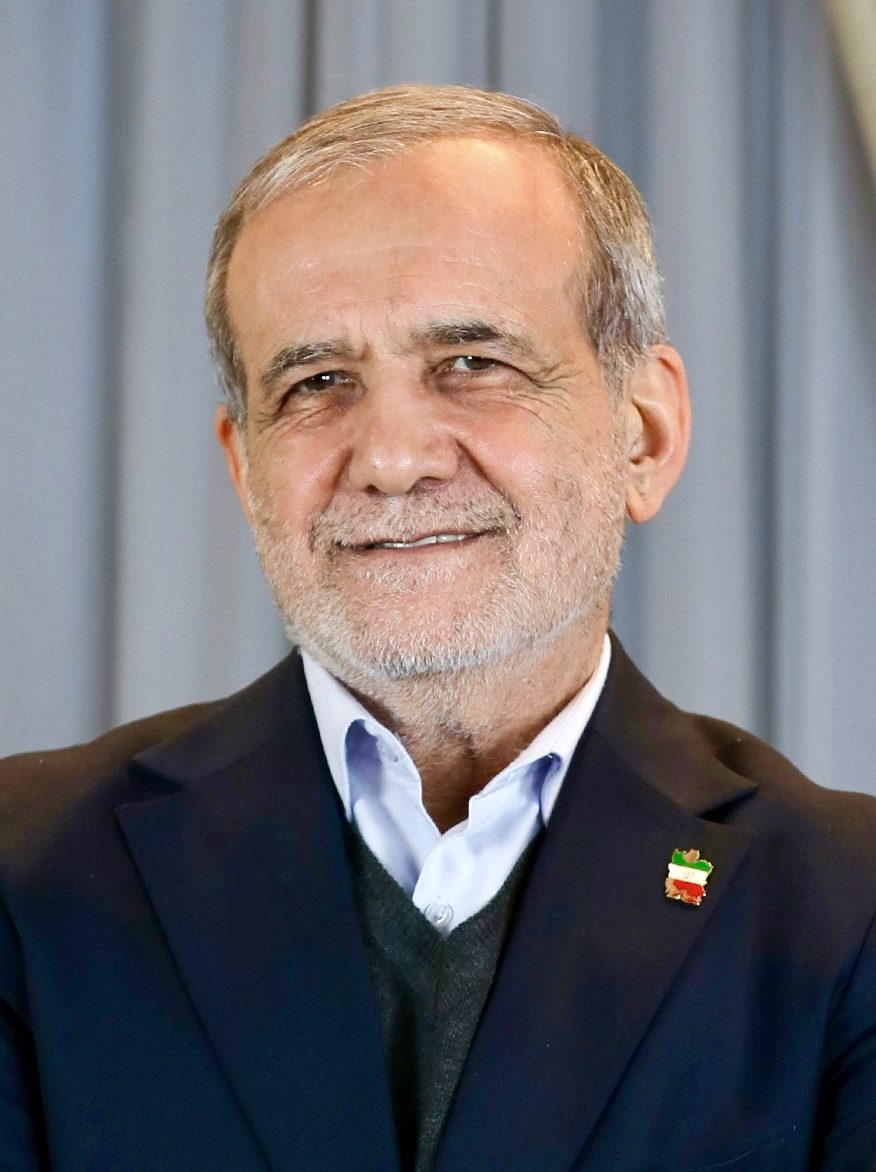
Saudi Defense Minister Khalid bin Salman Al Saud, Pakistani Army Chief Asim Munir, and Turkish Intelligence Chief Ibrahim Kalin arrived in Tehran, where they met Iranian President Masoud Pezeshkian in what observers have described as the highest-level diplomatic talks the Iranian capital has witnessed in months.
The three represent the member states that are signatories to the Mecca Collective Defense Agreement, and their visit comes amid mounting expectations of new American strikes on Iran. The talks are also scheduled to include Iranian National Security Council chief Mohsen Rezaei.
Ali Vaez, Deputy Director of the Middle East and North Africa program at the International Crisis Group, said the "last-minute Mecca Agreement visit is an attempt to tip the scales in favor of those willing to settle" before fighting resumes, while cautioning that the visitors may carry little more than goodwill unless they arrive at a workable formula to bridge the gap between Washington and Tehran.
The talks' agenda includes the escalating wave of missile and drone attacks carried out by Tehran-backed Houthis against Saudi Arabia. Aysha Siddiqui, a researcher in the War Studies department at King's College London, said Riyadh is "applying increasing pressure on its partners," but ruled out the possibility that Turkey and Pakistan could "bear the cost of sending ground troops" to Yemen.
Siddiqui noted that this diplomatic move is likely linked to Asim Munir's visits to Saudi Arabia and Iran last week, and coincided with Islamabad's decision to restrict overland trade with Tehran amid the American blockade. Iranian authorities expressed support for the principle of "security emanating from within the region" in the context of their preparations for these meetings.
In the same context, Omar Karim, a researcher on Saudi foreign policy and its implications for regional security, noted that the Tehran talks are predominantly shaped by Saudi security concerns and represent "an attempt by Turkey and Pakistan to push Iran toward a settlement," while expressing doubt that the talks would meaningfully reduce the risk of a new war breaking out between Iran and the United States.
Sources — how we know this
- PrimaryAl Jazeera English