Kane's Ballon d'Or and Saudi Football's New Question
At 33, with 73 goals and a winding path from Tottenham to Bayern, Kane ended a 25-year English drought. But does this award answer the question facing Saudi football's star-buying ambitions?

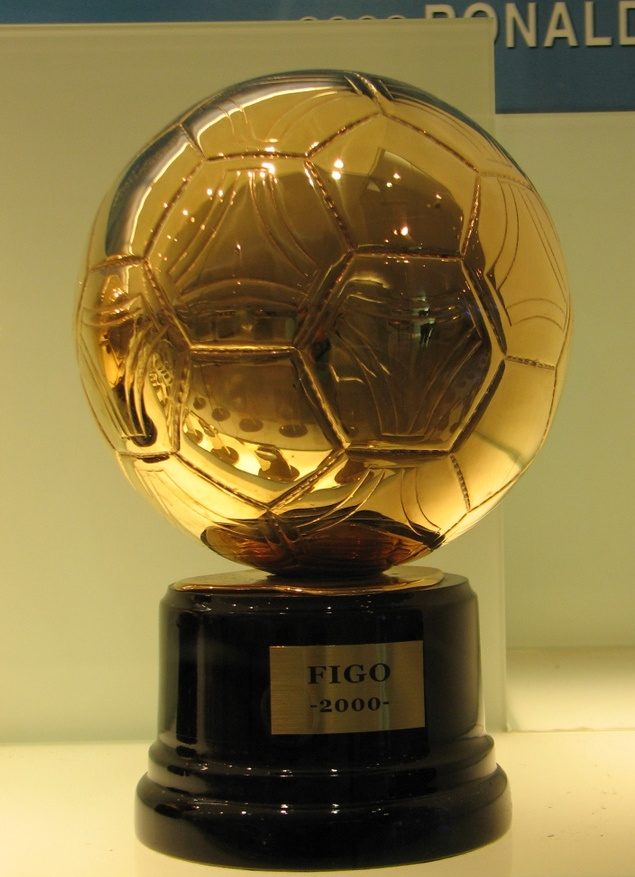
I asked a question yesterday in a corner piece: should the Ballon d'Or go to beauty or numbers? Harry Kane did not close that question last night in London — but he answered it in his own way. 73 goals, a Golden Ball, and the end of a 25-year English wait.
When he took the stage, he said "Wow, almost speechless." To say he was almost at a loss for words requires passing through so much: a young footballer going to Leyton Orient, the corridors of League One, the long years at Tottenham without trophies. Tim Sherwood, the manager who gave him his first Premier League starting chance, called it "a Cinderella story unlike anything we've seen before." An exaggeration? Look at the timeline: Michael Owen won at 22 in 2001. Kane at 33, in the 15th year of a senior career. Kylian Mbappe came second, Lamine Yamal third; and so the list goes on.
My reading is this: this award did not go simply to goals, but to a defiant battle waged against time. Kane's move from Tottenham to Bayern Munich was, as Sherwood also stressed, the effective precondition for this crowning. Rather than remaining stuck on the Premier League goal record, opening himself to the European stage — that choice came back today in the form of a Ballon d'Or.
Now the important question begins from this point. I will return to what I wrote in recent days about the Saudi Pro League's star economy: a league seeking global prestige by signing big names. But the Kane example contains a lesson pointing in the opposite direction. The road to the Ballon d'Or requires Champions League competition and top-tier rivals. Saudi Pro League cannot yet offer that stage; yet it must draw a large part of its market value and global brand appeal from exactly that stage.
The regulations on ticket sales and resales released by Saudi Arabia's Ministry of Sport this week represent a concrete step that domestic football is taking toward institutional maturity. Accredited platforms, transparent pricing, tickets tied to buyer identity — these are signs of a transformation from league into organization. The platform accreditation process beginning November 15th and the 90-day compliance period granted to currently operating platforms show that this transformation is gaining pace.
But structural order alone is not enough. The real lesson of Kane's story is this: the greatest awards now go not just to youth, but to consistency played on the right platform. To become that platform, Saudi Pro League must build not just stadiums, but the seriousness of elite football itself.
When audiences look at Kane today, they do not see a number, but a 33-year-old willful journey. Saudi Arabia's project will need similar patience for its own journey — and money, still, cannot buy the irreducible part of that patience.