AgendaVerified
WTI at $91.66: the Iran premium leaks out, peg flows stay quiet
Crude slips 0.93% on mixed mediation signals; gold firms at $4,563; the Tadawul sits a hair above 11,000.
Speed:
KA
Karim Al-Rashidi
· 2 min read
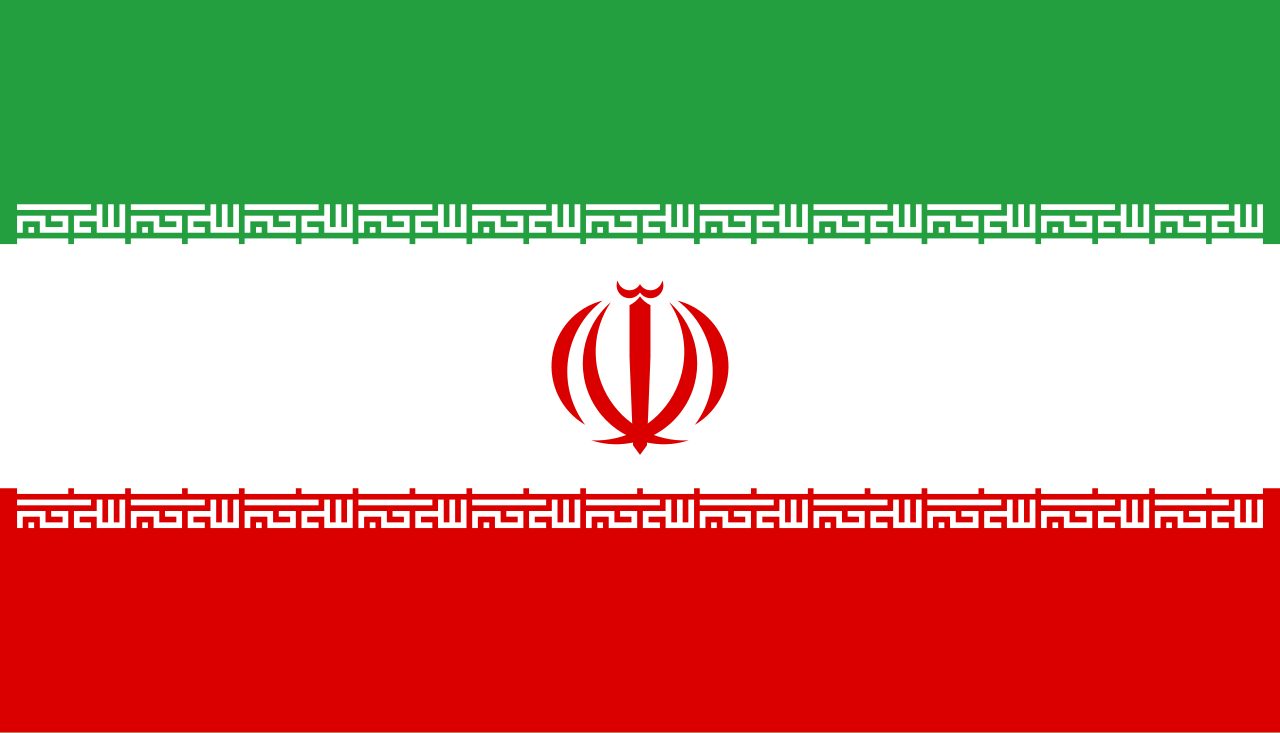
WTI opens our week at $91.66, down 86 cents, or 0.93%. That is not a small print in absolute terms — a dollar a barrel still pays for a lot of things — but inside the rolling range crude has carved out since the spring escalation, it is a shrug. The market is processing two contradictory wires: a Qatari delegation in Tehran, and a US president telling reporters any deal is not yet 'fully negotiated.' Optionality is being repriced; the underlying barrel is not.
The more telling tape sits next to it. Gold at $4,563.22, up 0.46% overnight, refuses to give back its war premium even as crude does. That asymmetry is the trade to watch this week. If mediation produces a framework, crude has room to give back several dollars before it finds a floor near pre-escalation levels; gold likely gives back less, because the bid there is not only geopolitical but structural — central bank accumulation across the CIS and parts of Asia has not paused.
For Gulf readers the transmission is direct and worth stating plainly. USD/SAR at 3.7500 and USD/AED at 3.6725 are, as ever, fixed. The peg means the dollar leg of the oil receipt is mechanical; the variable is the barrel itself and the fiscal arithmetic it funds. Reports over the weekend that Riyadh has frozen and delayed certain consulting commitments are consistent with a finance ministry that is reading the same crude tape we are and choosing prudence over optics. The spending recalibration began before the current escalation; the escalation simply makes the recalibration easier to explain.
The Tadawul closed Thursday at 11,027.54, up 26 points or 0.24% — a session that, in another week, would barely merit a sentence. In this one it tells us local positioning is neither leaning into a ceasefire rally nor pricing a wider war. The index is doing what a peg-economy index does when oil is range-bound and fiscal policy is tightening at the margin: very little, slowly.
Elsewhere worth noting: reports that Qatari LNG continues to move through Hormuz to its long-term buyers. The shipping insurance market will have a view on this priced into rates by midweek; physical flows, for now, are the headline that did not happen, which is the most important kind. USD/RUB at 71.55 drifted 0.77% weaker on Friday, immaterial to our beat but worth flagging for CIS-exposed treasuries running ruble receivables.
The day ahead: thin US calendar, which means crude will trade on headlines from Tehran and Washington rather than fundamentals. US weekly production sits at 13,702 thousand barrels a day — a supply cushion that quietly caps the upside on any geopolitical spike, and that the options market appears to have remembered overnight.
Watch the gold-to-crude ratio, watch shipping insurance, and watch what Riyadh chooses not to spend on.