Developing✓ 1 sourcesEditorialDeveloping
This story is currently available in anglais only — a translation isn't ready yet.
EU negotiators agree on greater European pharmaceutical manufacturing
Agreement aims to reduce dependence on Asian suppliers amid repeated medicine shortages.
Vitesse:
PD
Pierre Dubois
· 2 min read
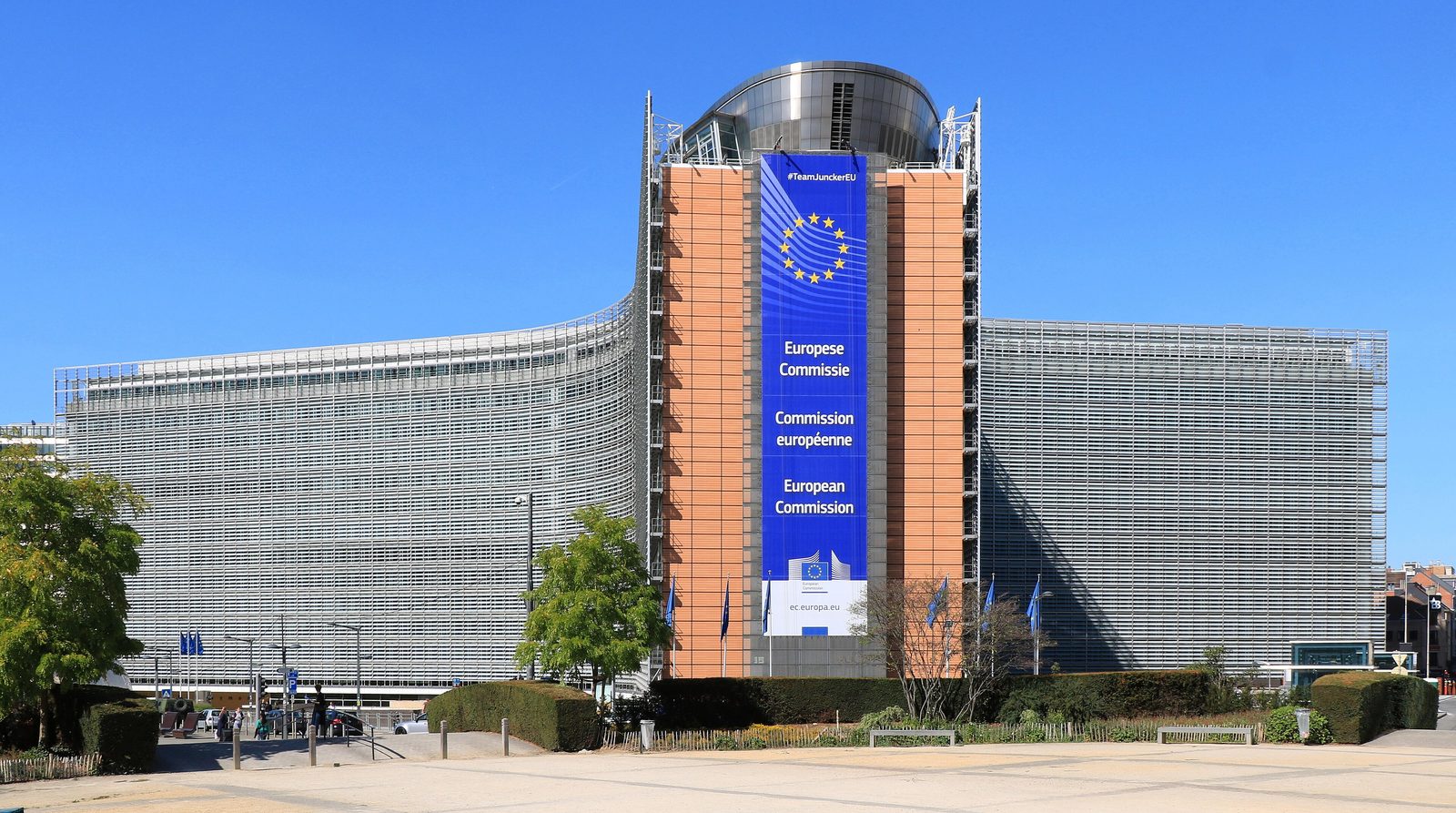
European Union negotiators have reached agreement to boost pharmaceutical manufacturing capacity within Europe, addressing recurring shortages of critical medicines including antibiotics and children's fever medication.
The accord reflects EU concerns about supply chain vulnerability and over-reliance on Asian producers. Shortages have repeatedly disrupted treatment availability across member states, creating public health risks. The initiative will likely involve investment incentives, regulatory streamlining, and possibly strategic reserves for essential drugs. The measure represents a broader push toward European strategic autonomy in healthcare amid geopolitical tensions and pandemic-era supply vulnerabilities.
Sources — how we know this
- PrimaryTagesschau