Developing✓ 1 sourcesEditorialDeveloping
This story is currently available in anglais only — a translation isn't ready yet.
Europe skeptical of Putin's ceasefire signals and mediator choice
EU officials question both substance of peace proposals and selection of former German chancellor as potential intermediary.
Vitesse:
PD
Pierre Dubois
· 2 min read
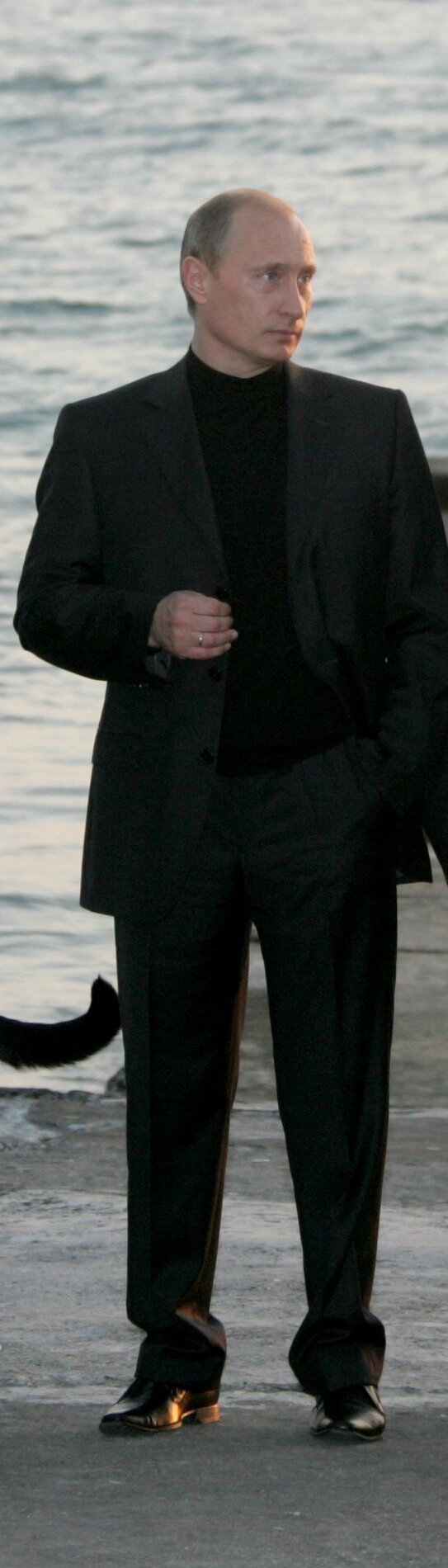
European officials are expressing deep skepticism toward Russian President Vladimir Putin's recent signals regarding potential ceasefire talks and his proposed mediation framework, according to France 24. EU leaders are questioning both the substantive content of Moscow's proposals and the choice of mediator—identified as former German Chancellor Gerhard Schröder. European governments remain concerned about Russia's track record in previous negotiations and the preconditions Moscow is attaching to talks. The cautious European response reflects broader wariness about any settlement that could disadvantage Ukraine or legitimize territorial gains made through military invasion. Putin's overtures come as a three-day truce takes effect, though claims of violations have already emerged.
Sources — how we know this
- PrimaryFrance 24 (EN)