BREAKINGDeveloping✓ 1 sourcesEditorialDeveloping
This story is currently available in anglais only — a translation isn't ready yet.
National Rally's economic split gives rivals an opening ahead of French vote
POLITICO Europe reports an ideological divide between Jordan Bardella's pro-business stance and Marine Le Pen's more populist line.
Vitesse:
PD
Pierre Dubois
· 2 min read
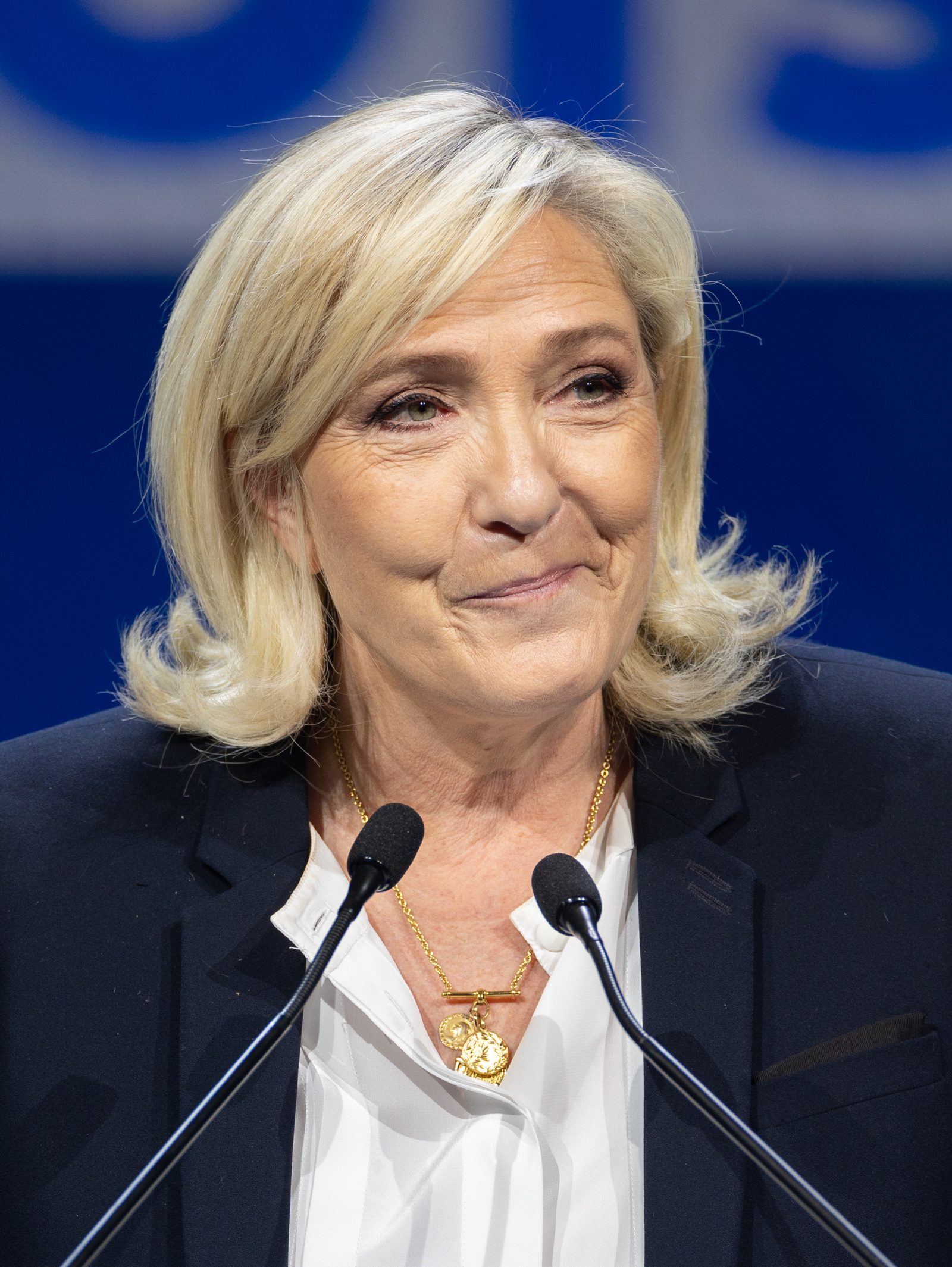
Rivals of France's National Rally are exploiting a deepening ideological divide within the far-right party over economic policy.
At the heart of the schism is a tension between two of the party's most prominent figures: Jordan Bardella, the National Rally's president, who has cultivated a broadly pro-business image, and Marine Le Pen, the party's longtime standard-bearer, whose economic outlook is characterised as more populist and interventionist. The two positions sit uneasily alongside each other, and opponents of the National Rally are increasingly targeting the contradiction as a political liability.
POLITICO Europe described the economic incoherence as a structural weak spot for a party that has otherwise made significant electoral inroads in France in recent years. The report suggests that competing visions for the economy within the same political formation could complicate the National Rally's efforts to present a coherent governing programme to voters.
No specific policy proposals, legislative votes, or electoral timetables were cited in the wire.
Sources — how we know this
- PrimaryPOLITICO Europe