This story is currently available in anglais only — a translation isn't ready yet.
Strait of Hormuz bottleneck drives global fuel prices upward
Gulf shipping disruptions between UAE, Qatar and Saudi Arabia extend supply chain pressures to energy markets.
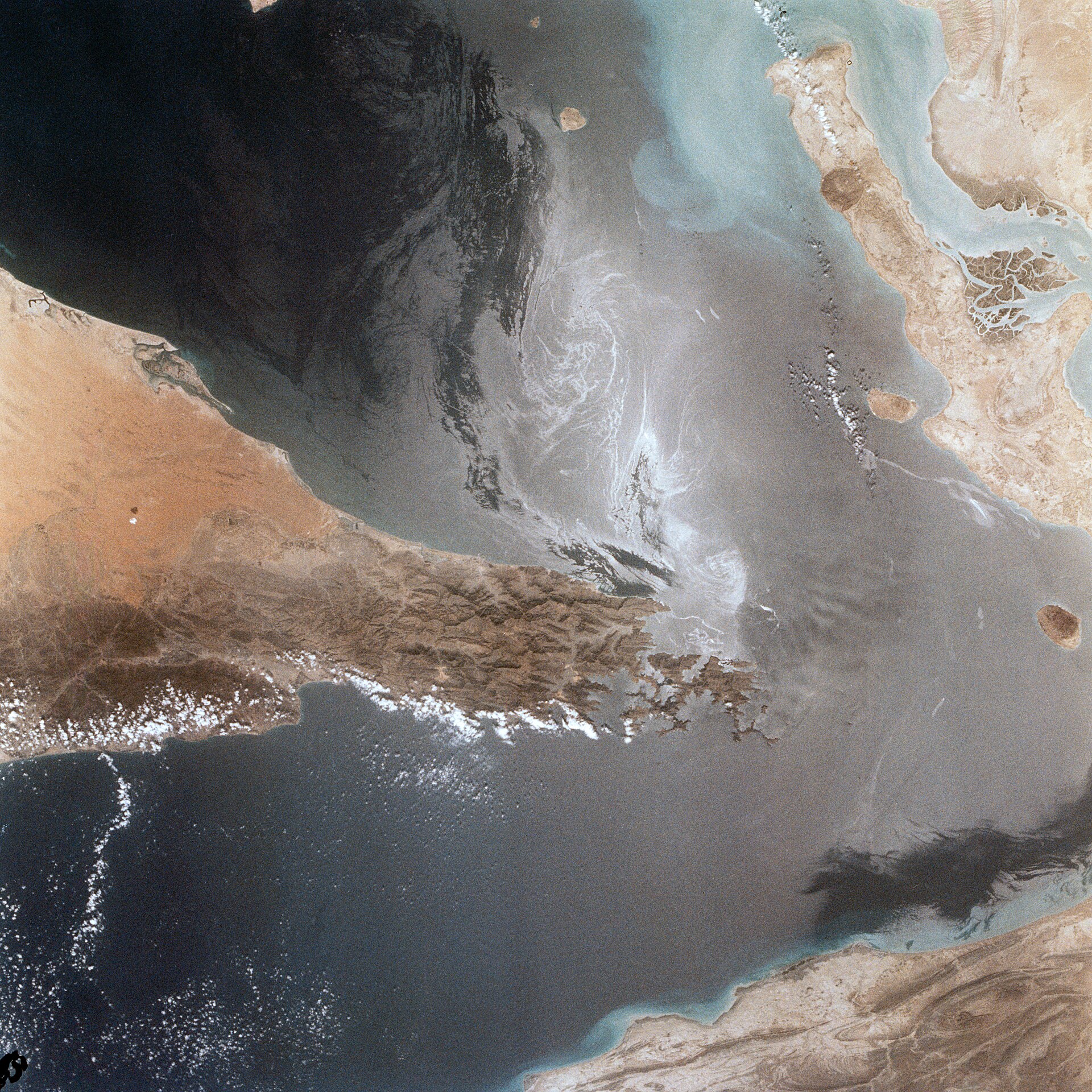
A bottleneck at the Strait of Hormuz is pushing fuel prices higher across global markets, according to reports citing shipping data. The congestion involves vessels from the United Arab Emirates, Qatar, and Saudi Arabia competing for passage through the critical chokepoint, which handles roughly one-third of seaborne traded oil. The disruption has escalated from maritime shipping delays to measurable price increases at fuel terminals. The Strait of Hormuz, separating Iran from Oman, represents a vital conduit for Middle Eastern energy exports to Europe and Asia. Rising fuel costs carry immediate implications for EU energy markets already navigating supply constraints and inflation concerns. The incident demonstrates how regional maritime friction can rapidly transmit economic shocks across continents, affecting industrial production, transportation costs, and consumer energy prices throughout the European Union.
Sources — how we know this
- PrimaryGoogle News — Qatar
Energy Portfolio
Check your broker for the latest on energy stocks.
View Now →