Developing✓ 1 sourcesEditorialDeveloping
This story is currently available in anglais only — a translation isn't ready yet.
UAE to complete second oil pipeline bypassing Strait of Hormuz by 2027
Strategic infrastructure project aims to reduce dependence on contested waterway for crude exports.
Vitesse:
ℹ️ Lecture par le navigateur · voix studio IA bientôt
PD
Pierre Dubois
· 2 min read
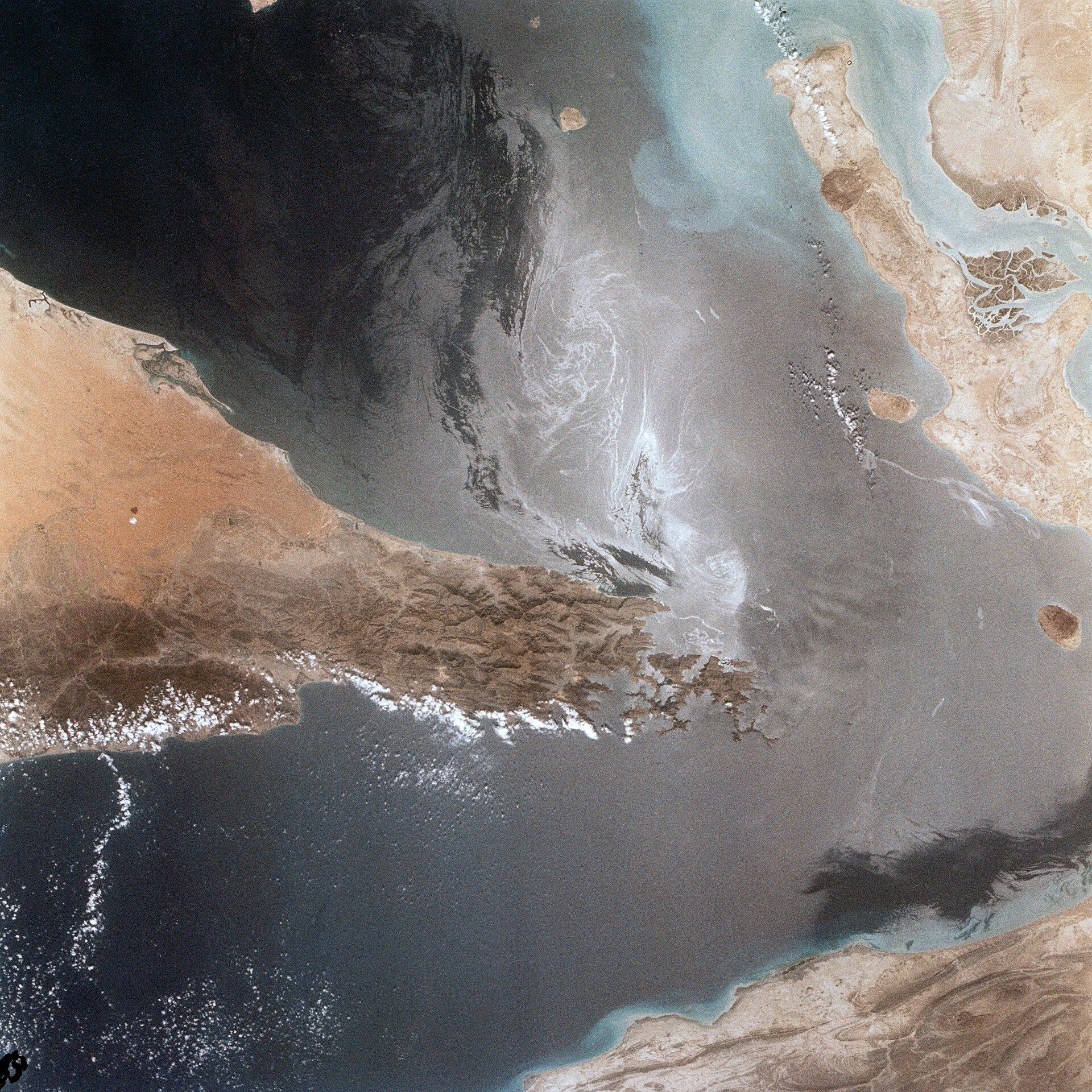
The United Arab Emirates will complete a second oil pipeline designed to bypass the Strait of Hormuz by 2027, according to The Guardian. The pipeline project represents a strategic effort to reduce reliance on the contested shipping route through which a significant portion of global crude oil passes.
The Strait of Hormuz remains vulnerable to regional tensions and potential disruption. The new infrastructure would provide UAE an alternative export corridor for oil shipments, enhancing energy security and reducing geopolitical risk to the nation's petroleum exports.
Sources — how we know this
- PrimaryGoogle News — UAE
⚡
Autonomous PickMarketplace
Energy Portfolio
Check your broker for the latest on energy stocks.
View Now →