Developing✓ 1 sourcesEditorialDeveloping
This story is currently available in anglais only — a translation isn't ready yet.
UN relief vehicle struck in Ukraine; South Sudan faces aid crisis
Humanitarian operations disrupted in conflict zone as emergency airdrops commence in East Africa.
Vitesse:
PD
Pierre Dubois
· 2 min read
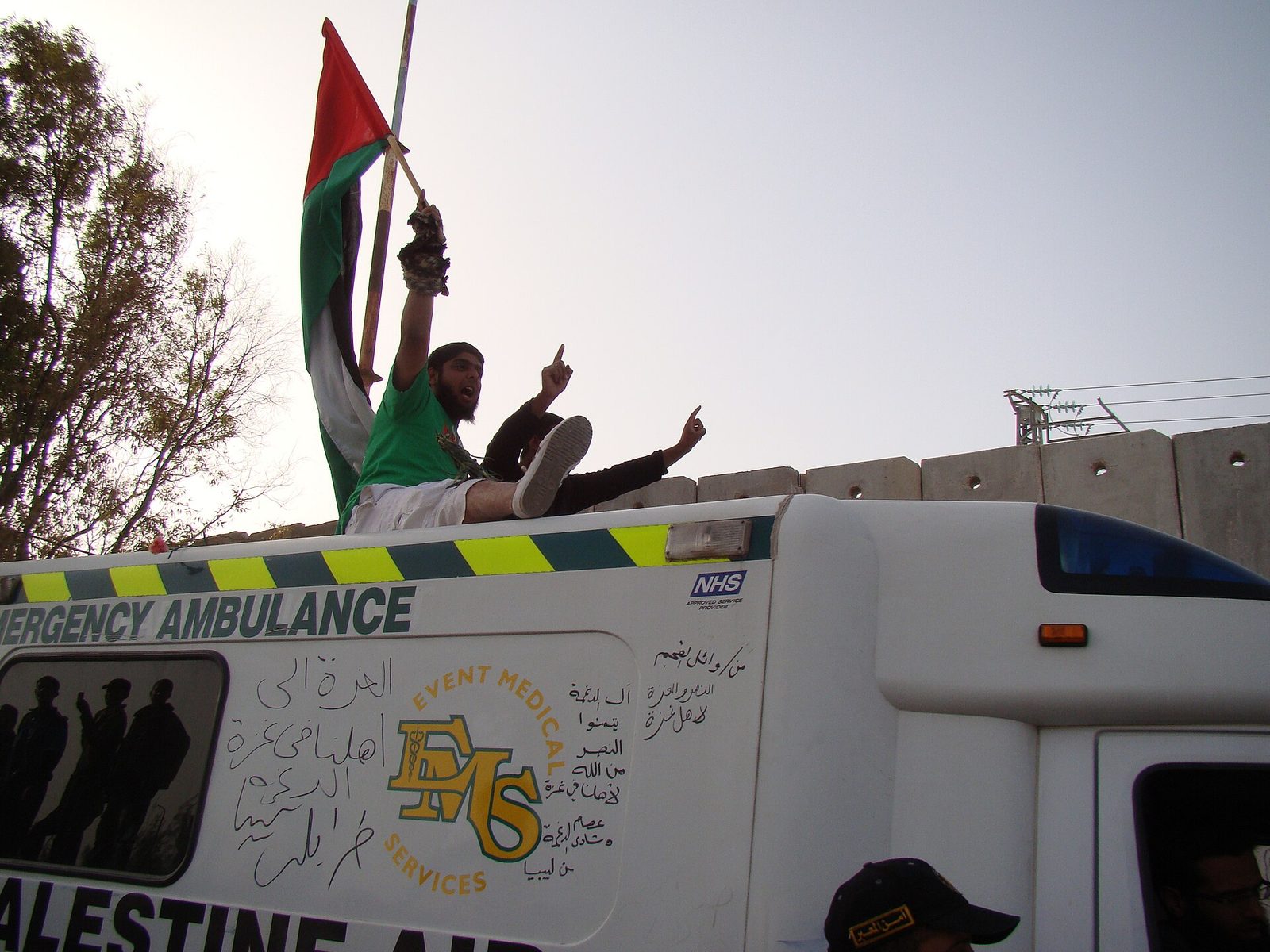
A United Nations relief vehicle was struck in Ukraine, adding to a growing pattern of threats facing humanitarian personnel operating in active conflict zones. The incident has disrupted aid delivery operations at a time when civilian populations across the war-affected country remain in critical need of assistance. The UN has consistently called for the protection of humanitarian workers and assets under international humanitarian law.
Meanwhile, in South Sudan, the United Nations has commenced emergency airdrops to address a severe shortage of relief supplies reaching vulnerable communities. Airdrops are typically deployed as a last resort when ground access is blocked by flooding, insecurity, or collapsed infrastructure — conditions that have long plagued humanitarian operations in the East African nation.
Separately, the UN reported a widening backlash against LGBTIQ+ rights initiatives across multiple regions, raising concern among human rights bodies about the erosion of protections for marginalized communities at a time of growing global instability. The organization has reaffirmed its commitment to defending equal rights for all individuals.
Sources — how we know this
- PrimaryGoogle News — Ukraine