Developing✓ 1 sourcesEditorialDeveloping
This story is currently available in английский only — a translation isn't ready yet.
Netherlands still buys Russian LNG despite EU sanctions
The Netherlands continues importing 12% of its liquid natural gas from Russia, undercutting EU energy independence commitments.
Скорость:
ℹ️ Озвучка браузером · студийный голос ИИ скоро
PD
Pierre Dubois
· 2 min read
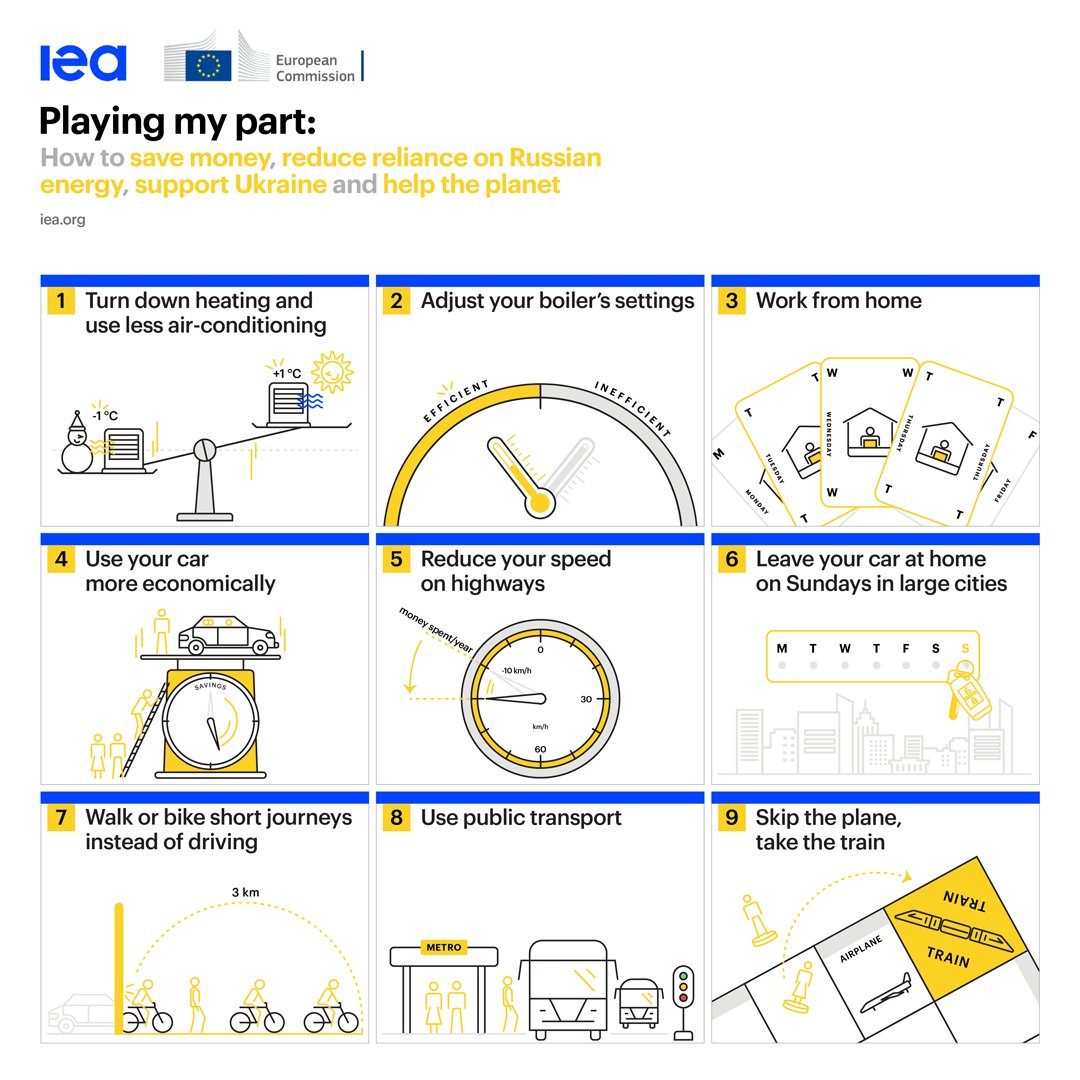
The Netherlands is importing approximately 12% of its liquid natural gas supplies from Russia, according to reports, despite EU member states' stated commitment to reducing dependence on Russian energy.
The continued imports highlight tensions between energy security policies and sanctions enforcement across the bloc. Dutch reliance on Russian LNG persists even as EU nations work toward diversifying energy sources and reducing Moscow's economic leverage.
The figure raises questions about how strictly energy import restrictions are being applied across member states and whether alternatives are available at competitive prices.
Sources — how we know this
- PrimaryDutchNews
⚡
Autonomous PickMarketplace
Energy Portfolio
Check your broker for the latest on energy stocks.
View Now →